
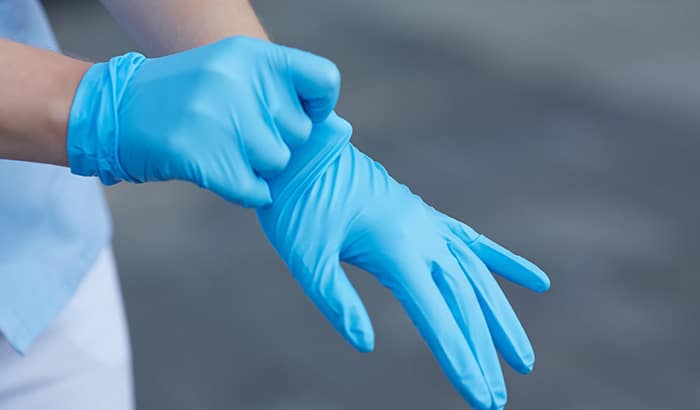
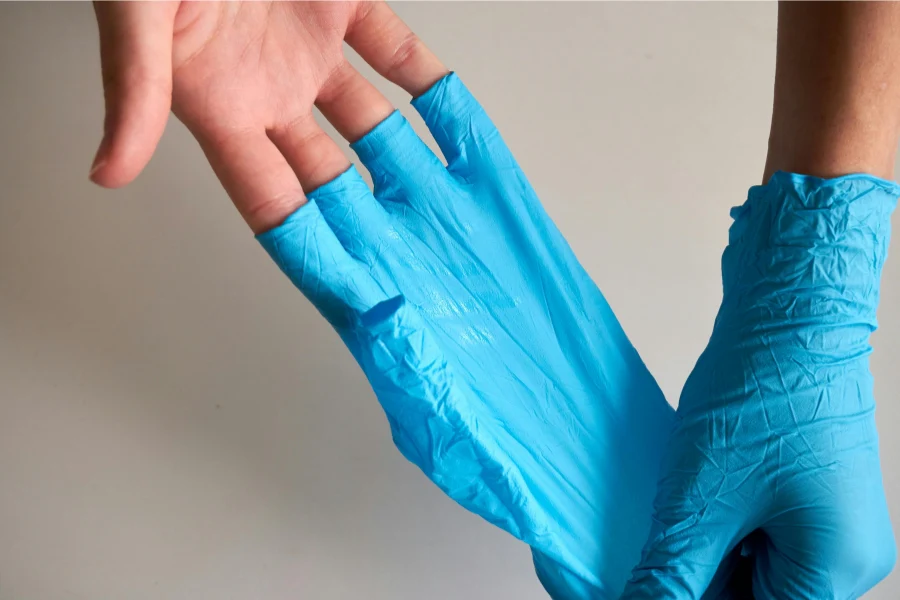
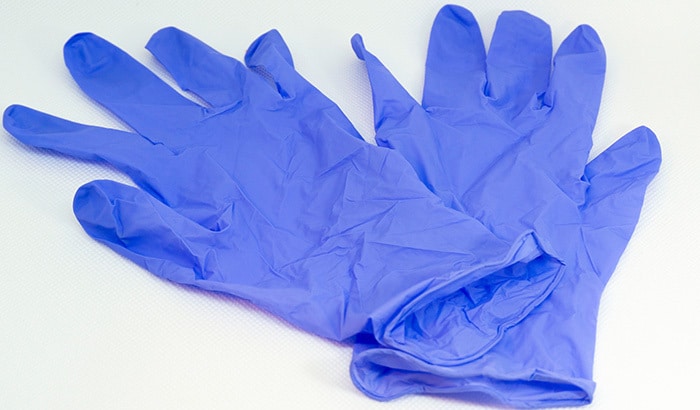
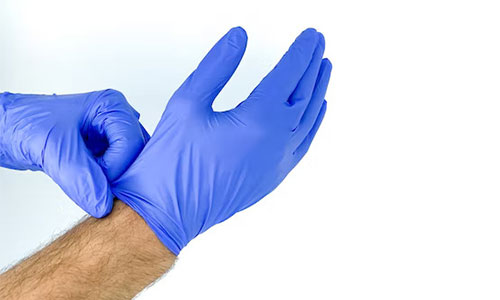

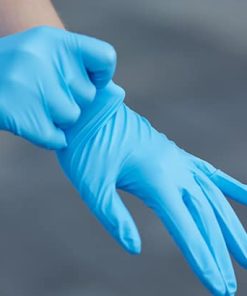


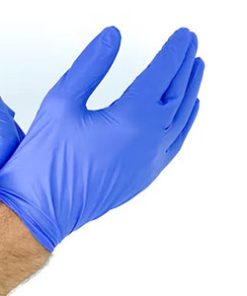

surgical gloves
Original price was: $47.00.$43.00Current price is: $43.00.
surgical gloves
The Benefits of Gloves: Protection Beyond the Surface
Gloves are one of the simplest yet most effective tools for protection. Whether used in healthcare, food handling, industrial work, or daily activities, gloves serve as a barrier between the hands and potential hazards. Their importance spans hygiene, safety, comfort, and even performance.
1. Hygiene and Infection Control
One of the most recognized benefits of gloves is their role in preventing the spread of germs.
-
Medical and Healthcare Settings: Disposable gloves help reduce cross-contamination between patients and healthcare providers. They protect against exposure to bloodborne pathogens, bacteria, and viruses.
-
Food Handling: Gloves prevent the transfer of microorganisms from the hands to food, safeguarding public health.
2. Protection Against Chemicals and Toxins
In industrial, cleaning, and laboratory environments, gloves shield the skin from hazardous substances.
-
Chemical Resistance: Specialized gloves (e.g., nitrile, neoprene) protect against solvents, oils, and cleaning agents.
-
Reduced Risk of Burns or Irritation: Glovess form a barrier that minimizes direct skin contact with irritants.
3. Physical Safety
Gloves also serve as protection against physical harm in various work settings.
-
Cut Resistance: Industrial and construction gloves prevent injuries from sharp tools or machinery.
-
Heat and Cold Protection: Insulated gloves shield hands in extreme temperature conditions, from ovens to freezers.
-
Grip and Handling: Textured or rubber-coated gloves improve grip, reducing accidents when handling slippery objects.
4. Comfort and Performance
Beyond safety, gloves can enhance how people work and perform tasks.
-
Reduced Fatigue: Properly fitted gloves offer support, helping with repetitive tasks or long shifts.
-
Improved Precision: Thin, flexible gloves allow for delicate work while maintaining hygiene.
-
Skin Care: Some gloves are designed to keep hands moisturized, protecting against dryness from frequent washing or harsh environments.
5. Versatility Across Industries
Gloves adapt to a wide range of professional and personal uses:
-
Healthcare: Surgical, examination, and nursing gloves.
-
Food Industry: Disposable gloves for safe preparation and serving.
-
Construction & Manufacturing: Heavy-duty gloves for safety and durability.
-
Household Use: Cleaning gloves for everyday chores.
-
Sports & Lifestyle: Gloves for cycling, weightlifting, or gardening, enhancing both safety and performance.
6. Psychological Reassurance
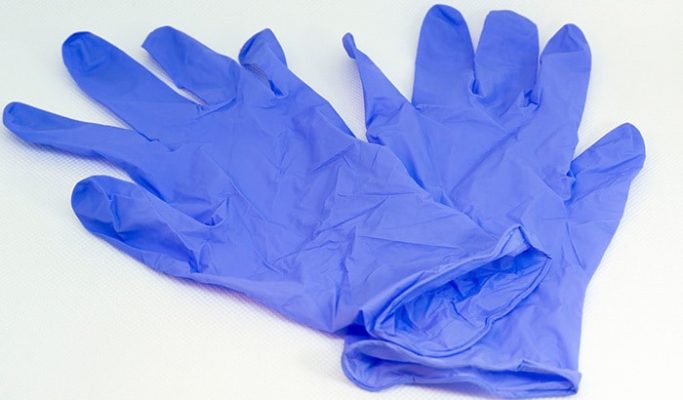
Wearing gloves often provides a sense of security. For both professionals and the public, gloves symbolize cleanliness, responsibility, and protection building trust in service quality, especially in healthcare and food industries.
Gloves may appear simple, but their benefits extend far beyond basic protection. From preventing infections to shielding against chemicals, cuts, or extreme temperatures, they are indispensable in safeguarding health and improving performance across many fields. As materials and technologies evolve, gloves continue to balance safety, comfort, and versatility, making them a vital part of everyday life.
surgical gloves
Surgical gloves are a cornerstone of modern medicine. They play a vital role in maintaining hygiene, protecting both healthcare professionals and patients from infection during medical and surgical procedures. While they may seem simple, surgical gloves are the product of decades of innovation in medical safety and manufacturing.
Surgical Gloves: Essential Protection in Healthcare
Surgical gloves are a cornerstone of modern medicine. They play a vital role in maintaining hygiene, protecting both healthcare professionals and patients from infection during medical and surgical procedures. While they may seem simple, surgical gloves are the product of decades of innovation in medical safety and manufacturing.
What Are Surgical Gloves?
Surgical gloves are sterile, disposable gloves specifically designed for use in surgeries and invasive medical procedures. Unlike examination gloves, which are commonly used for general medical tasks, surgical gloves are:
-
Sterile: Individually packaged to prevent contamination.
-
High precision: Manufactured to fit more closely and comfortably.
-
Durable: Designed to withstand the rigors of surgical work without tearing.
Purpose of Surgical Gloves
The primary functions of surgical gloves include:
-
Barrier Protection: Prevents the transfer of pathogens, bloodborne viruses, and other contaminants between patient and surgeon.
-
Patient Safety: Reduces the risk of surgical site infections.
-
User Safety: Protects healthcare professionals from exposure to blood, bodily fluids, and infectious materials.
Types of Surgical Gloves
1. By Material
-
Latex Surgical Gloves
-
Made from natural rubber latex.
-
Highly elastic, durable, and comfortable.
-
Provide excellent tactile sensitivity.
-
Disadvantage: Risk of latex allergy in both healthcare workers and patients.
-
-
Nitrile Surgical Gloves
-
Made from synthetic rubber.
-
Strong, puncture-resistant, and latex-free.
-
Increasingly popular due to allergy concerns.
-
-
Neoprene (Polychloroprene) Gloves
-
Latex-free with good flexibility and comfort.
-
Often used when both durability and high sensitivity are required.
-
-
Polyisoprene Gloves
-
Closely mimic the comfort and elasticity of latex but are latex-free.
-
High-performance option for sensitive procedures.
-
2. By Sterility
-
Sterile gloves: Used for surgery and invasive procedures.
-
Non-sterile gloves: Used for examinations and routine patient care.
Key Features of Surgical Gloves
-
Anatomical fit: Designed for right and left hands (not ambidextrous like exam gloves).
-
Powdered vs Powder-free: Powder was once used for easy donning, but powder-free gloves are now preferred to reduce complications and allergic reactions.
-
Thickness and strength: Engineered to resist tearing during long or complex surgeries.
-
Grip and texture: Surface finishes (smooth or textured) improve handling of surgical instruments.
Standards and Quality
Surgical gloves must meet strict international standards for:
-
Sterility
-
Tensile strength (resistance to tearing)
-
Puncture resistance
-
Biocompatibility (to ensure safety for skin contact)
Organizations such as the FDA (U.S.), EN (European Norms), and ISO provide regulatory frameworks for quality assurance.
Challenges and Considerations
-
Latex allergies: An increasing shift toward latex-free materials.
-
Environmental impact: Gloves are single-use, contributing to medical waste. Sustainable manufacturing practices are becoming more important.
-
Supply chain: The COVID-19 pandemic highlighted vulnerabilities in global glove supply and dependence on key manufacturing regions.
Future of Surgical Gloves
Research and development are focused on:
-
Biodegradable materials to reduce medical waste.
-
Improved tactile sensitivity without sacrificing protection.
-
Smart gloves with antimicrobial coatings for enhanced safety.
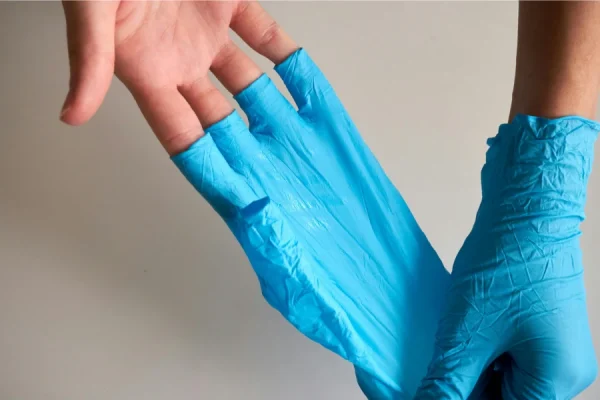
Surgical gloves may appear simple, but they are indispensable tools in healthcare. Their evolution from basic rubber protection to advanced synthetic, latex-free designs underscores the continuous effort to safeguard patients and medical professionals alike. As innovation continues, surgical gloves will remain at the heart of safe surgical practice.
Be the first to review “surgical gloves”
Related products


weight loss injections near me

medical gloves


Get in Shape


Get in Shape

weight loss injections near me

weight loss injections near me


Get in Shape

Get in Shape
Reviews
There are no reviews yet.