
Aesthetics Fillers
Nexplanon Weight Gain: Exploratory Analysis

Mar
Nexplanon Weight Gain
Choosing the right birth control is a deeply personal decision. For many women, the potential for side effects, particularly weight gain, is a significant factor in that choice. Nexplanon, the long-acting, reversible contraceptive implant, is known for its convenience and over 99% effectiveness . But a common and persistent question remains: can Nexplanon make you gain weight?
This guide will explore the complex relationship between Nexplanon and weight gain, examining the scientific evidence, what the clinical studies say, and what you can expect from the implant.
What is Nexplanon?
Nexplanon is a small, flexible, matchstick-sized plastic rod that is inserted under the skin of the upper arm by a healthcare professional . It works by continuously releasing a low dose of the progestin hormone called etonogestrel into the body. This prevents pregnancy primarily by stopping ovulation and thickening the cervical mucus to block sperm .
Once inserted, it provides continuous pregnancy prevention and is now approved for up to 5 years of use . Its “set it and forget it” nature makes it a popular choice, but concerns about side effects, including weight changes, often arise.
So, Does Nexplanon Make You Gain Weight?
The short answer is: it’s complicated. The medical community does not have a definitive, universally accepted answer. Research presents a mixed picture, and individual experiences vary widely.
What the Clinical Studies Show
Clinical trials and medical reviews have looked closely at weight gain from Nexplanon. Here is a breakdown of the findings:

- Reported as a Side Effect: The manufacturer’s own studies list weight gain as a possible side effect. In one clinical trial, 13.7% of participants reported a weight increase, though the exact amount varied . Some studies have shown that users gained an average of 2.8 pounds in one year and 3.7 pounds in two years .
- Conflicting Evidence: On the other hand, other studies and medical reviews have found no significant link. An academic source notes that “there are no current concerns… nor is weight gain attributable to the method” . Similarly, a review of multiple studies found that most progestin-only birth controls, including Nexplanon, did not cause significant weight changes .
- The “Individual Experience” Factor: This is where the data becomes nuanced. One study found that while weight gain is reported, it may be related to “changes in lifestyle or natural body changes over time” rather than the implant itself . Some women may gain weight due to increased appetite or fluid retention, while others experience no change whatsoever . The Nexplanon manufacturer’s prescribing information notes that serum concentrations of the hormone are inversely related to body weight, which means heavier women may have slightly lower hormone levels .
Data at a Glance
Why Might Nexplanon Affect Your Weight?
If you are experiencing weight changes, the mechanisms are not fully understood, but several factors may play a role:
- Hormonal Changes: Progestin can affect appetite in some women, leading to increased food intake .
- Fluid Retention: Hormonal fluctuations can cause water retention, which may show up as slight weight gain on the scale.
- Individual Physiology: Every body reacts differently. Your genetics, metabolism, and lifestyle factors like diet and exercise will ultimately determine if you gain, lose, or maintain weight while on Nexplanon .
What Do Users Say?
Anecdotal reports from users provide a stark contrast to the clinical data. On forums like many women share experiences of significant weight gain.
Nexplanon Weight Gain
One user wrote, “I gained a lot of weight really fast. 75 pounds… I would not suggest to anyone to use Nexplanon. On the fact alone, I believe it makes you gain weight” .
Another user stated, “I’ve gained 10 lbs since having it inserted, with no change to my diet or activity levels” .
Nexplanon Weight Gain
It is critical to note that while these experiences are powerful and valid for those individuals, they represent a specific subset of users who are motivated to share negative experiences. They do not reflect the experience of the majority of users who may have no side effects or who find the benefits of the implant outweigh any minor changes.
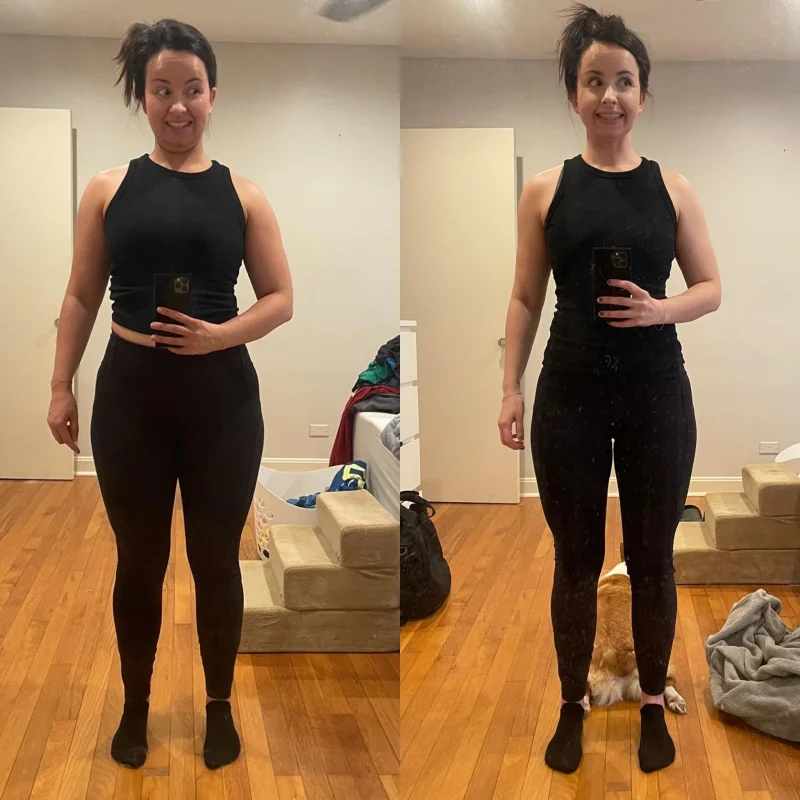
What If You Do Gain Weight?
If you are concerned about do you gain weight with Nexplanon or have already gained weight since the insertion, here are steps you can take:
- Don’t Panic: Many women worry about “implant weight gain” but it’s important to remember that your body’s weight can fluctuate naturally for many reasons . The implant might not be the sole cause.
- Track Your Habits: Monitor your food intake, physical activity, sleep, and stress levels for a few weeks. This data is invaluable and can help you and your doctor see if the weight change correlates with changes in your habits .
- Consult Your Healthcare Provider: This is the most important step. Schedule a conversation with the doctor who inserted your Nexplanon. They can help you determine if your symptoms are within the normal range of side effects or if something else might be going on. They can also discuss other birth control options that might have a different side effect profile for you .
- Lifestyle Management: A balanced diet and regular physical activity are always beneficial for overall health and weight management. Your doctor may be able to provide specific recommendations .
Conclusion
So, can nexplanon make you gain weight? For some people, yes. Weight gain is a documented side effect. However, the scientific evidence is far from clear-cut. While the manufacturer’s clinical trials and user reports do show weight gain as a concern, other robust studies and reviews suggest the implant itself doesn’t cause significant weight changes.
The reality is that weight gain from Nexplanon is variable and highly individual. The most reliable approach is to speak with your healthcare provider about your specific risk factors and any personal concerns you may have. They can help you weigh the incredible benefits of Nexplanon’s efficacy against the potential, but not guaranteed, risk of weight gain to make the best choice for your body and lifestyle.
If your patients search for a long-term option for pregnancy prevention, they must understand that weight fluctuation is a common symptom when it comes to some products, especially hormonal ones. As Nexplanon is one of the most popular brands of hormonal birth control, we’d like to provide you with a full overview here for a better comprehension of the topic. Let’s review all the data and determine whether this product can cause significant weight gain in patients.
Correlation Between Contraceptive Implants and Individual Weight Gain
Several clinical studies have been conducted to examine the possibility of significant weight changes while on birth control. One of the subjects, Nexplanon, demonstrated minimal body mass gain while assessing weight status on a progestin contraceptive implant. Studies show an average weight gain of 3 pounds or less for users of hormonal contraceptives, which is comparable to women who don’t use hormonal contraceptives, suggesting that Nexplanon doesn’t cause weight gain in the first place.
*Nexplanon releases progestin, a synthetic hormone that prevents pregnancy by stopping ovulation.
“The data on Nexplanon and weight gain is reassuring for both clinicians and patients,” notes Dr. Sarah Chen, an OB-GYN specializing in contraceptive counseling. “When we look at controlled studies, the average weight change is minimal—typically 3 pounds or less—which falls within normal fluctuation ranges. Most importantly, this is comparable to women not using hormonal contraception at all.”
Despite this, some patients still reported a significant body mass growth after inserting a birth control implant; however, healthcare providers claim it may also be caused by various other factors, including bloating, water retention, or temporary body composition changes, not the actual fat accumulation. Understanding these aspects may help people prevent weight gain and pick the most suitable contraceptive option that can meet their needs and cooperate properly with their bodies.
Nexplanon Weight Gain: Clinical Evidence Summary
| Study Parameter | Finding |
|---|---|
| Average Weight Gain | 3 pounds or less over study period |
| Comparison to Non-Users | Comparable to women not using hormonal contraceptives |
| Actual Fat Accumulation | Minimal; most changes attributed to water retention or bloating |
| Individual Variation | Some users report changes; often linked to other factors |
| Clinical Significance | Weight changes typically within normal fluctuation range |
Nexplanon Comparison to Other Birth Control Options: Clinical Studies
Nexplanon is a representative of progestin-only contraceptives, which are known for their minimal effect on one’s weight. Unlike mixed or etonogestrel contraceptive implants, progestin-only variants don’t cause water or fat accumulation that often, which makes them a suitable option for individuals who are looking for a birth control option with minimal impact on their weight.
Dr. Jennifer Marte, a reproductive endocrinologist, explains: “Progestin-only methods like Nexplanon have a different metabolic profile than combined hormonal contraceptives. The absence of estrogen means less fluid retention and fewer appetite-related changes, which is why we often see more stable weight patterns with these options.”
In contrast, most users who take combined oral contraceptives notice a slight weight increase; however, the results are still too inconsistent to claim this fact for sure. Still, compared to those options, Nexplanon’s weight gain is less expressive, making it the best option for individuals who would like to minimize the effect of the hormonal contraceptive on their body mass.
Contraceptive Methods Weight Impact Comparison
| Contraceptive Type | Hormonal Composition | Weight Impact | Primary Mechanism |
|---|---|---|---|
| Nexplanon (Implant) | Progestin-only (etonogestrel) | Minimal (≤3 lbs average) | Primarily water retention, minimal fat accumulation |
| Combined Oral Contraceptives | Estrogen + Progestin | Slight to moderate (inconsistent) | Fluid retention, appetite changes |
| Hormonal IUD | Progestin-only (localized) | Minimal | Localized hormone delivery, less systemic effect |
| Depo-Provera (Injection) | Progestin-only | Moderate to significant | Increased appetite, metabolic changes |
| Copper IUD | Non-hormonal | None | No hormonal influence on weight |
Factors That May Cause Weight Gain
Although weight gain with Nexplanon is typically minimal, certain factors may contribute; therefore, having all available data is crucial for proper analysis and lifestyle planning. We recommend paying attention to such aspects as hormonal responses, individual metabolism, and various lifestyle factors.
According to researchers, weight changes while using hormonal contraceptives can be influenced by metabolism, diet, exercise habits, and genetic predisposition. Let’s take a closer look at the most important points:
- Hormonal effects. Etonogestrel contraceptive implant users claim that synthetic hormonal contraception causes mild fluid retention and slight appetite changes. Still, research suggests no association between Nexplanon and excessive fat accumulation. For most patients, body mass gain is not among the common potential side effects, it’s minor and temporary;
- Lifestyle habits. Diet, activity levels, stress, and sleep quality often cause weight fluctuation more often than hormonal contraceptives themselves. Users who notice unfortunate changes in their weight should consider regular exercise, healthier nutrition, and other positive alterations before jumping to the conclusion that Nexplanon is the cause of all the problems;
- Metabolism. This factor is unique to each individual and varies; it determines how the body responds to hormonal contraception. Some people experience changes in appetite, while others are prone to water retention; therefore, understanding one’s metabolic tendencies may help clarify expectations regarding weight changes.
“Weight attribution is one of the most challenging aspects of contraceptive counseling,” observes Dr. Michael Thompson, a family medicine physician. “Patients often assume their birth control is responsible for weight changes, but when we carefully evaluate diet, exercise, stress levels, and life transitions, we usually find multiple contributing factors. The implant is rarely the sole cause.”
Contributing Factors to Weight Changes
| Factor Category | Specific Contributors | Impact Level | Management Strategy |
|---|---|---|---|
| Hormonal Effects | Fluid retention, mild appetite changes | Low to Moderate | Monitor sodium intake, stay hydrated |
| Lifestyle Habits | Diet, physical activity, stress, sleep quality | High | Regular exercise, balanced nutrition, stress management |
| Metabolic Factors | Individual metabolism, genetic predisposition | Moderate | Personalized approach, medical evaluation |
| Life Transitions | Age, schedule changes, life events | Moderate to High | Address underlying changes, routine adjustments |
| Medical Conditions | Thyroid disorders, PCOS, insulin resistance | High (if present) | Medical evaluation and treatment |
Strategies for Managing Weight Gain and Other Side Effects
To come up with the best formula for weight management while on Nexplanon, we recommend an efficient combination of patient awareness, regular weight monitoring, as well as lifestyle adjustments. Consider all the factors that influence weight to consider whether it’s necessary to change the contraceptive option:
- Patient counseling: Before inserting Nexplanon, clinicians should explain that some users experience minor weight changes. Setting realistic expectations helps patients distinguish potential hormonal effects from normal fluctuations;
- Monitoring: Schedule routine follow-ups to monitor weight trends and respond to concerns. If notable weight gain occurs, assess other contributors — such as diet, physical activity, and underlying medical conditions — before attributing changes to Nexplanon;
- Lifestyle modifications: Support patients in adopting healthy habits to address weight concerns. Emphasize a balanced diet, regular physical activity, and stress-management strategies to promote overall well-being and reduce the likelihood of unnecessary weight gain;
- Alternative contraceptive options: If weight changes remain troubling despite lifestyle efforts, consider discussing other contraceptive methods. Other long-acting reversible contraceptives (LARCs), including IUDs, may be appropriate alternatives for patients who prefer to avoid potential hormonal impacts on weight.
“Proactive counseling makes all the difference in patient satisfaction,” emphasizes Dr. Amanda Foster, a women’s health nurse practitioner. “When patients understand from the beginning that minor weight fluctuations are possible but not inevitable, and that lifestyle factors play a major role, they’re better equipped to manage their expectations and make informed decisions about continuing or changing their contraceptive method.”
Clinical Management Protocol for Weight Concerns
| Management Step | Action | Timing | Goal |
|---|---|---|---|
| Pre-Insertion Counseling | Discuss realistic expectations, typical weight changes (≤3 lbs) | Before insertion | Set appropriate expectations, informed consent |
| Baseline Assessment | Record starting weight, BMI, lifestyle habits | At insertion | Establish reference point for monitoring |
| Follow-Up Monitoring | Track weight trends, assess contributing factors | 3, 6, 12 months | Early identification of significant changes |
| Lifestyle Intervention | Recommend diet, exercise, stress management adjustments | As needed | Address modifiable factors first |
| Medical Evaluation | Rule out underlying conditions (thyroid, PCOS, etc.) | If significant unexplained gain | Identify treatable medical causes |
| Alternative Discussion | Explore other LARC options (IUD) or methods | If persistent concerns | Patient satisfaction and continuation |
The Summary: Will I Gain Weight on Nexplanon?
Weight gain is not a common adverse effect of Nexplanon, but some patients may experience body mass fluctuation during the first year of contraceptive insertion. In order to understand whether the change was caused by the medication, we recommend discussing this aspect with a healthcare provider and analyzing body mass together with other lifestyle factors that may affect the numbers. Still, weight gain is not a common side effect for Nexplanon.
