fat grafting breast and face
Original price was: $840.00.$810.00Current price is: $810.00.
fat grafting breast and face
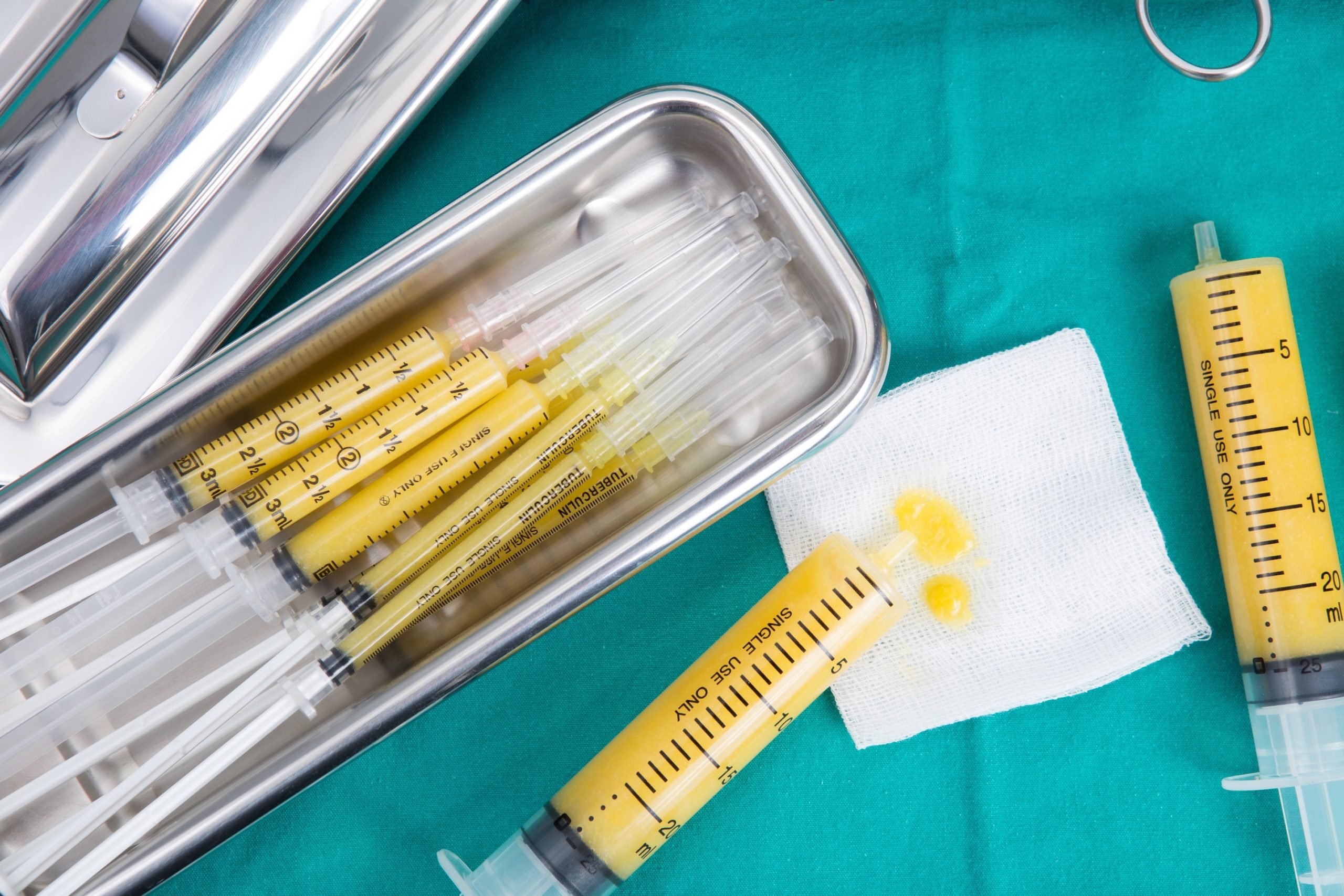
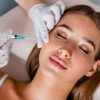
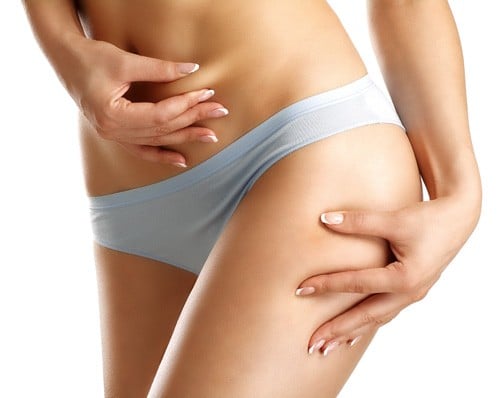
Autologous fat grafting involves harvesting adipose tissue from a patient’s own body (commonly from the flank, inner thigh, or abdomen) and injecting it beneath the skin to restore volume. This technique is widely used for reconstructive purposes such as trauma, oncologic, or congenital defects as well as cosmetic facial rejuvenation. Because the fat is biocompatible and natural to the patient, it is often considered the ideal filler, offering soft, natural results and long-lasting effects.
Indications and Benefits:
- Correction of volume loss due to aging, which is caused by dermal thinning, muscle atrophy, fat loss, and bone resorption.
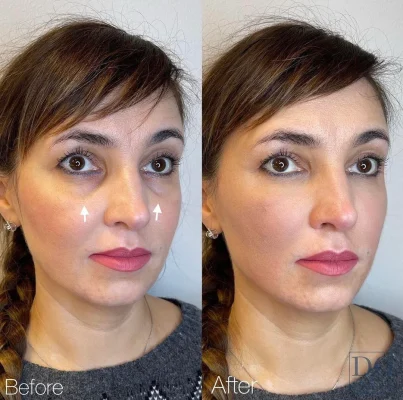
- Improvement of facial contours and reduction of folds and shadows like nasolabial folds and tear troughs.
- Provides an alternative or adjunct to surgical lifting procedures by addressing volume loss rather than tissue sagging alone.
Anatomical Considerations:
Successful fat grafting requires detailed knowledge of facial anatomy, especially the superficial and deep fat compartments separated by the superficial musculoaponeurotic system (SMAS).
- Superficial fat compartments include nasolabial, orbital, temporal, forehead, jowl, and cheek fat pads.
- Deep fat compartments include sub-orbicularis oculi, sub-orbicularis oris, deep cheek fat pads, and buccal fat pad.
Precise identification of injection sites and depths ensures optimal results and minimizes complications.
Technique and Team Approach:
- Fat is carefully harvested, processed, and injected into pre-planned recipient sites.
- Coordination among the interprofessional team including surgeons, anesthetists, nurses, and support staff is essential to optimize patient outcomes and manage potential complications effectively.
To promote optimal healing and fat graft survival, plan to rest for at least a few hours following your treatment. Minimizing movement of the treated area helps the re-implanted fat cells establish themselves effectively.
Avoid wearing cosmetics on the treated area until the day after your procedure.
Do not apply ice packs to the treated site, as this may cause tissue damage. Mild to moderate bruising and swelling are expected and can last up to 4 weeks.
A follow-up appointment is scheduled 6 to 8 weeks after your treatment to assess early results once most swelling has subsided. If additional treatment is needed, it is important to wait approximately 3 months. This interval allows swelling to fully resolve and blood vessels to develop, supporting the survival of any further fat grafts
Complications:
Potential risks include bruising, swelling, fat necrosis, infection, and asymmetry. Proper technique and anatomical knowledge reduce these risks.
fat grafting breast and face
Bellafill Filler: A Long-Lasting Solution for Wrinkles and Acne Scars
When it comes to dermal fillers, most options provide temporary results that require touch-ups every 6–18 months. Bellafill stands apart as one of the longest-lasting fillers on the market, offering results that can last up to five years. FDA-approved for both smile lines and acne scars, Bellafill provides natural-looking, enduring rejuvenation.
What Is Bellafill?
Bellafill is a collagen-based dermal filler that contains polymethyl methacrylate (PMMA) microspheres. This unique formulation works in two ways:
-
Immediate Volume – The collagen gel instantly lifts and smooths wrinkles or fills in acne scars.
-
Long-Term Support – The PMMA microspheres remain in place, stimulating the body to produce collagen over time for lasting structure and firmness.
What Bellafill Treats
Bellafill is FDA-approved for:
-
Smile lines (nasolabial folds) – the creases that run from the nose to the corners of the mouth.
-
Acne scars – particularly pitted, atrophic scars on the cheeks.
It’s also used off-label by skilled injectors to treat:
-
Marionette lines (lines running from mouth corners down to the chin)
-
Chin wrinkles
-
Hollow areas in the face
Benefits of Bellafill
-
Long-Lasting Results – Results can last up to 5 years for smile lines and up to 1 year for acne scars.
-
Collagen Stimulation – Encourages the body to build new collagen, improving skin quality over time.
-
Natural Look – The filler blends with natural tissue for subtle, realistic enhancement.
-
FDA-Approved – Backed by clinical studies demonstrating safety and effectiveness.
The Treatment Process
-
Consultation & Skin Test – Since Bellafill contains bovine collagen, a skin allergy test is typically done before treatment.
-
Preparation – The area is cleaned, and a numbing agent may be applied for comfort.
-
Injection – Bellafill is injected into targeted wrinkles, folds, or scars.
-
Immediate & Lasting Results – Patients see instant improvement, with continued collagen growth for months.
Aftercare Tips
-
Apply ice packs to reduce swelling.
-
Avoid strenuous activity, alcohol, and prolonged sun exposure for 24–48 hours.
-
Do not massage or press on treated areas unless advised.
Possible Side Effects
Most side effects are mild and temporary, including:
-
Swelling or redness
-
Bruising
-
Tenderness at injection sites
Rarely, small bumps or lumps can form under the skin if not injected properly—highlighting the importance of choosing an experienced provider.
Who Is a Good Candidate for Bellafill?
Bellafill is ideal for adults who want:
-
A long-lasting solution for smile lines or acne scars
-
To avoid frequent filler touch-ups
-
Natural results that improve with time
It may not be suitable for people with severe allergies, autoimmune conditions, or those who are pregnant or breastfeeding.
Final Thoughts
Bellafill is unique among dermal fillers because it delivers both immediate correction and long-lasting collagen stimulation. With results lasting up to five years, it’s one of the most durable solutions for facial rejuvenation and acne scar treatment. For the best outcome, treatment should always be performed by a board-certified, experienced injector.
Be the first to review “fat grafting breast and face”
Related products
body fillers
body fillers
body fillers
body fillers

body fillers


body fillers
body fillers
body fillers
Reviews
There are no reviews yet.