
apex wellness peptides

Original price was: $210.00.$190.00Current price is: $190.00.
apex wellness peptides
Clinical Considerations
Safety Profile
While peptides offer powerful therapeutic and aesthetic benefits, examining their safety profiles is crucial due to their effects on metabolism, immune function, and hormone regulation . Improper use or dosing can lead to hormonal imbalances, insulin resistance, or immune reactions .
Purity and sourcing matter significantly peptides from unregulated sources may contain contaminants or incorrect formulations, increasing health risks . For most patients, peptide therapy is successful and well-tolerated. However, side effects do exist, though typically mild and dependent on administration method :
-
Topical applications may cause redness, dryness, itching, or temporary hyperpigmentation, especially in sensitive skin
-
Oral supplementation may induce digestive discomfort
-
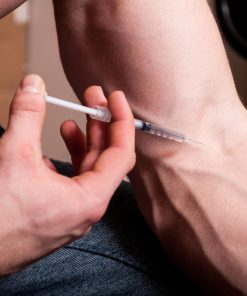
Injectable peptides can elicit bruising, swelling, or mild headaches
Realistic Expectations
It takes time for peptide results to appear. Topically applied peptides may take up to 12 weeks to show effectiveness . Practitioners should discuss this with patients starting any peptide treatment, especially topical therapies, so they have realistic expectations in achieving their goals . The status of photoaging and the skin’s age also influence outcomes .
Future Directions
The integration of peptides in aesthetics shows no signs of slowing down. As the public attention to skin rejuvenation and skin health continues to increase, regenerative medicine which aims to use the body’s own structure to restore tissue and skin youthfulness is developing rapidly .
apex wellness peptides
Peptides have emerged as a cornerstone of modern aesthetic medicine, offering a versatile and scientifically-backed approach to skin rejuvenation, anti-aging, and post-procedural recovery. As short-chain amino acids that serve as the building blocks of collagen, elastin, and other essential proteins, peptides function as biological messengers that signal cellular processes including tissue repair, collagen synthesis, and hydration . For aesthetic practices across the USA, UK, Italy, and Spain, incorporating peptide-based protocols represents a significant advancement in patient care and clinical outcomes.
Understanding Peptides
Peptides are composed of 2–10 amino acid residues, giving them unique structural characteristics including small molecular size, high biocompatibility, and modifiable functional groups . These features endow peptides with excellent permeability, safety, and versatile biological activities, making them widely applicable in skincare and aesthetic medicine . Unlike larger proteins, oligopeptides with molecular weight below 500 Da can penetrate the skin barrier effectively and function beneath the epidermis .
There are three primary types of peptides utilized in aesthetic applications :
-
Carrier Peptides: These bind to ingredients and facilitate transportation of agents to active sites, enhancing delivery and efficacy.
-
Signal Peptides: These increase collagen, elastin, fibronectin, proteoglycan, and glycosaminoglycan production, directly supporting skin structure and firmness.
-
Neurotransmitter Peptides: These inhibit acetylcholine release at the neuromuscular junction, inducing muscle relaxation and minimizing wrinkles—offering a topical alternative to injectable neurotoxins.
Key Peptides in Aesthetic Medicine
Copper Peptides (GHK-Cu)
Copper peptides, particularly GHK-Cu, are among the most extensively studied and utilized peptides in aesthetic medicine. GHK is a subfragment found in the alpha 2 chain of collagen I and naturally occurs in human plasma, urine, and saliva . It has been widely used for wound healing, skin regeneration, and anti-aging applications .
The benefits of GHK-Cu include :
-
Promotion of collagen I and procollagen type I C-peptide production
-
Enhancement of fibroblast proliferation and keratinocyte growth
-
Increased expression of vascular endothelial growth factor and basic fibroblast growth factor
-
Regulation of melanin to reduce hyperpigmentation
-
Reduction of hair loss through increased vitality and new blood vessel formation
-
Accelerated wound healing and tissue repair
GHK’s copper-binding affinity is particularly significant—by coupling with copper, GHK-Cu efficiently improves bioavailability and reduces potential skin irritation . Clinical studies have shown that GHK-Cu formulation treatment relieves erythema and pigmentation through reconstruction of procollagen and collagen IV .
Palmitoyl Pentapeptide-4 (Matrixyl)
Palmitoyl Pentapeptide-4 (KTTKS) is a subfragment of collagen I that affects anti-aging and anti-wrinkle outcomes through promoting collagen expression . The palmitic acid modification (Pal-KTTKS) improves stability and skin permeability—the modified peptide remains stable after incubation with proteases for up to 8 hours .
In a 12-week clinical study of 93 volunteers, Pal-KTTKS demonstrated significant efficacy in reducing wrinkles compared with placebo control . Additionally, palmitoyl KTTKS has shown anti-scarring effects by reducing α-SMA expression and inhibiting fibroblast trans-differentiation .
Argireline and Snap-8
Acetyl hexapeptide and acetyl octapeptide-3 are choice peptides for their antiwrinkle effects and serve as compliments or alternatives to traditional injectable neurotoxins, especially for patients who cannot or prefer not to use them .
Peptides and the Beauty Aesthetic
The beauty aesthetic landscape has been transformed by peptide-based interventions. Unlike some skincare ingredients that may cause irritations or sensitivities, peptides offer a gentler approach to rejuvenating the skin . They work synergistically with known hydrators such as hyaluronic acid to support healthy barrier function while repairing it, allowing the skin to retain moisture properly .
Peptides also serve as effective adjuncts to neurotoxin and filler treatments . A good at-home peptide-inclusive skincare routine can augment the effects of Botox and filler, improve skin texture, and decrease wrinkles. With soft tissue fillers, many patients on peptide regimens appreciate increased volume in the dermis and additional collagen production, with some noticing that their filler lasts longer .
Clinical Evidence and Applications
Clinical evaluations have demonstrated that multi-peptide formulations are safe, well-tolerated, and effective in improving visible signs of aging and skin hydration . Statistically significant improvements have been observed in :
-
Reduction of fine lines and wrinkles
-
Increased skin firmness and elasticity
-
Enhanced texture and smoothness
-
Improved plumpness and brightness
-
Increased hydration levels
Beyond standalone use, peptides provide effective recovery support post-procedure by enhancing and expediting skin healing, with patients reporting reduced redness, increased comfort, and improved skin resilience during recovery .
Post-Procedural Applications
Peptides are increasingly integrated into post-treatment protocols following :
-
Microneedling
-
Laser resurfacing
-
Injectable filler treatments
-
Chemical peels
-
Radiofrequency microneedling
Using peptide-based products post-treatment as part of a consistent routine can aid in the reduction of fine lines and wrinkles, skin laxity, redness, inflammation, and pigmentation while improving skin moisturization and texture .
Peptides in Anti-Photoaging
Excessive ultraviolet exposure is the leading environmental contributor to skin aging, also referred to as photoaging . Natural anti-photoaging peptides have emerged as promising candidates in this field due to their potent antioxidant, anti-inflammatory, and extracellular matrix metabolism-regulating activities .
Research has demonstrated that antioxidant peptides can significantly alleviate the senescence of human dermal fibroblast cells induced by UVB, suppress the expression of matrix metalloproteinases, and inhibit the degradation of collagen I . The mitogen-activated protein kinase pathways, particularly the p38 MAPK pathway, are involved in these anti-photoaging effects .
Furthermore, peptide-containing emulsions have been found to inhibit the expression of MMPs and inflammation factors IL-6 and IL-1β in UVB-exposed models . These findings suggest that antioxidant peptides might be applied as effective components in cosmetics for retarding skin photoaging .
Regulatory Landscape for Aesthetic Practices
For aesthetic practices in the USA, UK, Italy, and Spain, understanding the regulatory status of peptides is essential. The global regulatory environment for peptides varies by country and by specific compound .
United States
The FDA distinguishes between peptides and proteins based on size: peptides with ≤40 amino acids are regulated as drugs . This classification is central to peptide regulation in the US. The FDA has confirmed that five peptide drugs—glucagon, liraglutide, nesiritide, teriparatide, and teduglutide—can serve as Reference Listed Drugs for Abbreviated New Drug Applications .
Many aesthetic peptides, including GHK-Cu, operate in a “grey market” context—not FDA-approved for human therapeutic use but not explicitly banned for research purposes . The “research only” label serves as a legal distinction that has protected this market, though the landscape continues to evolve with regulatory enforcement actions .
Europe (UK, Italy, Spain)
The European Medicines Agency has released a draft guideline on the quality of synthetic peptide drug substances and products—the first EU-wide framework for how synthetic peptides must be characterized, controlled, and justified . Key requirements include:
-
Comprehensive characterization: mass spectrometry and sequence confirmation
-
Impurity control: truncated/deleted sequences and process-related impurities
-
Counter-ions and salt forms: justification for choice and residual levels
-
Stability: stress testing under relevant conditions
In the UK, the Medicines and Healthcare products Regulatory Agency follows ICH principles with local adaptations. Italy and Spain, as EU member states, adhere to EMA guidelines.
Global Convergence
The International Council for Harmonisation provides the global framework for drug quality, with ICH guidelines on stability, analytical validation, and impurities shaping expectations across all regions . This convergence is particularly important for aesthetic practices serving international clients, ensuring consistent quality and safety standards.
The Somatropin Connection
Somatropin—recombinant human growth hormone—has been the subject of interest in regenerative medicine due to its anabolic and tissue-repair properties. While Somatropin itself is a larger protein hormone (191 amino acids) rather than a peptide, its mechanisms of action intersect with peptide-based aesthetics.
Growth hormone secretagogues, including peptides like sermorelin and tesamorelin, stimulate endogenous growth hormone release, potentially supporting tissue repair and collagen synthesis . These compounds are approved in the US and other markets for specific indications, though their aesthetic applications remain an area of ongoing research and regulatory consideration.
When selecting peptides for aesthetic protocols, practitioners should consider evidence-based options like GHK-Cu, Matrixyl, and Argireline, which have demonstrated safety and efficacy in clinical studies, rather than unproven experimental compounds.
The Anadrol and Trenbolone Question
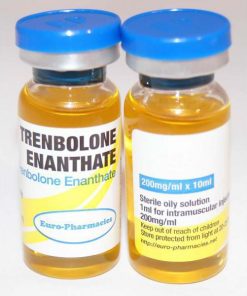
Anadrol (oxymetholone) and Trenbolone are anabolic-androgenic steroids, not peptides. They are not approved for aesthetic or cosmetic use in any major market and are classified as controlled substances in the USA, UK, Italy, and Spain. Their use is associated with significant health risks including hepatotoxicity, cardiovascular complications, and endocrine disruption. Legitimate aesthetic practices do not utilize these compounds and should carefully distinguish between evidence-based peptide therapeutics and prohibited performance-enhancing substances.
Synergistic Approaches
Using peptides alone can provide ample benefit in many cases. However, pairing peptides with aesthetic treatments, such as microneedling and lasers, can create a powerful synergy, further promoting collagen and elastin stimulation while enhancing peptide delivery and penetration . This optimizes the peptide’s benefits and accelerates wound healing after resurfacing procedures, setting the skin up for better collagen and elastin production and enhanced results .
Combining peptides with extracellular vesicles is another emerging frontier in regenerative aesthetics. Extracellular vesicles not only possess regenerative properties but also serve as effective carriers for bioactive peptides, enhancing therapeutic efficacy and improving bioavailability . Given their anti-inflammatory and bactericidal properties, capacity to promote angiogenesis, optimize collagen alignment, and facilitate re-epithelialization, extracellular vesicles represent a promising solution for skin regeneration treatments .
Be the first to review “apex wellness peptides”
Related products

Get in Shape
Get in Shape
Get in Shape
Get in Shape
Get in Shape

Get in Shape


Get in Shape
Reviews
There are no reviews yet.