
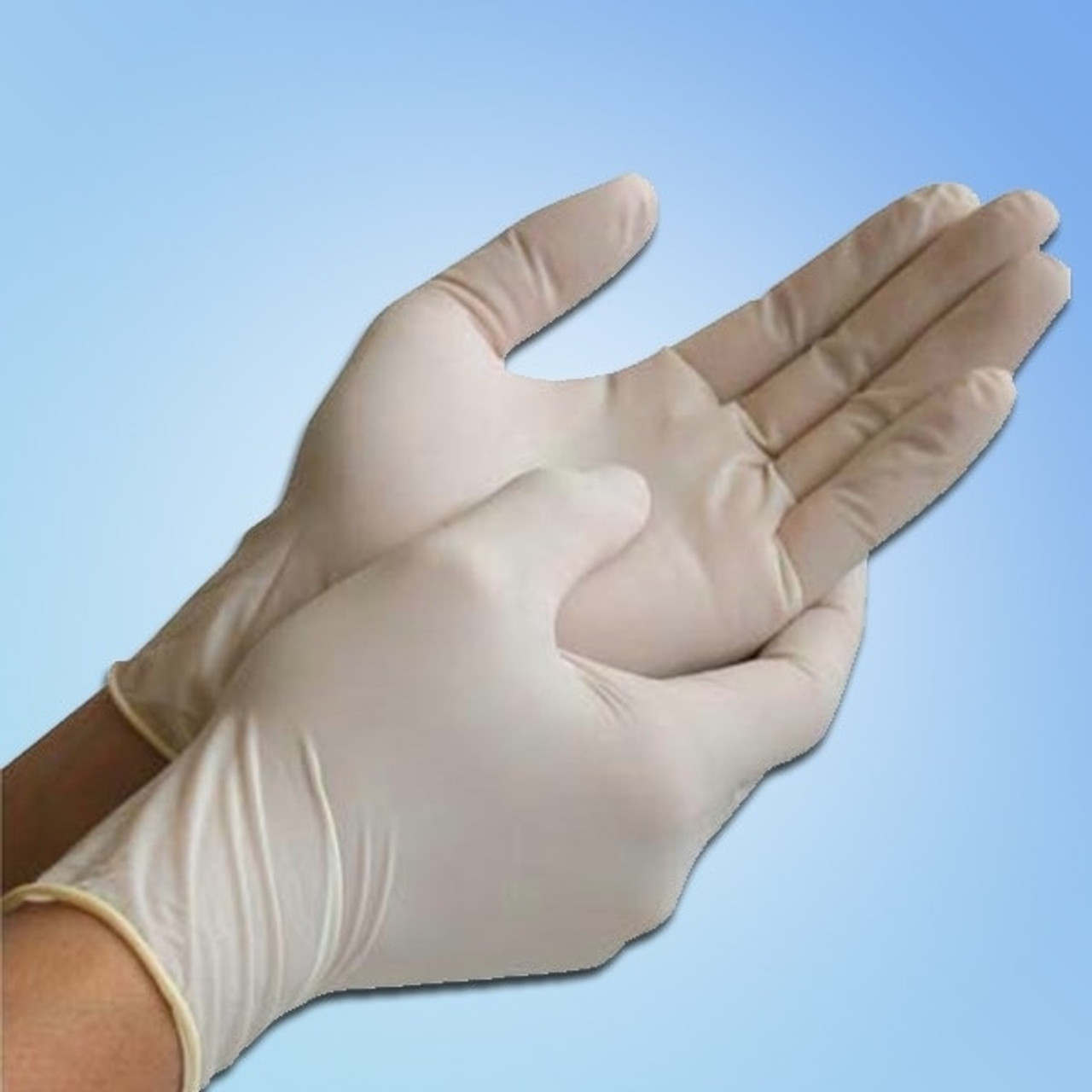
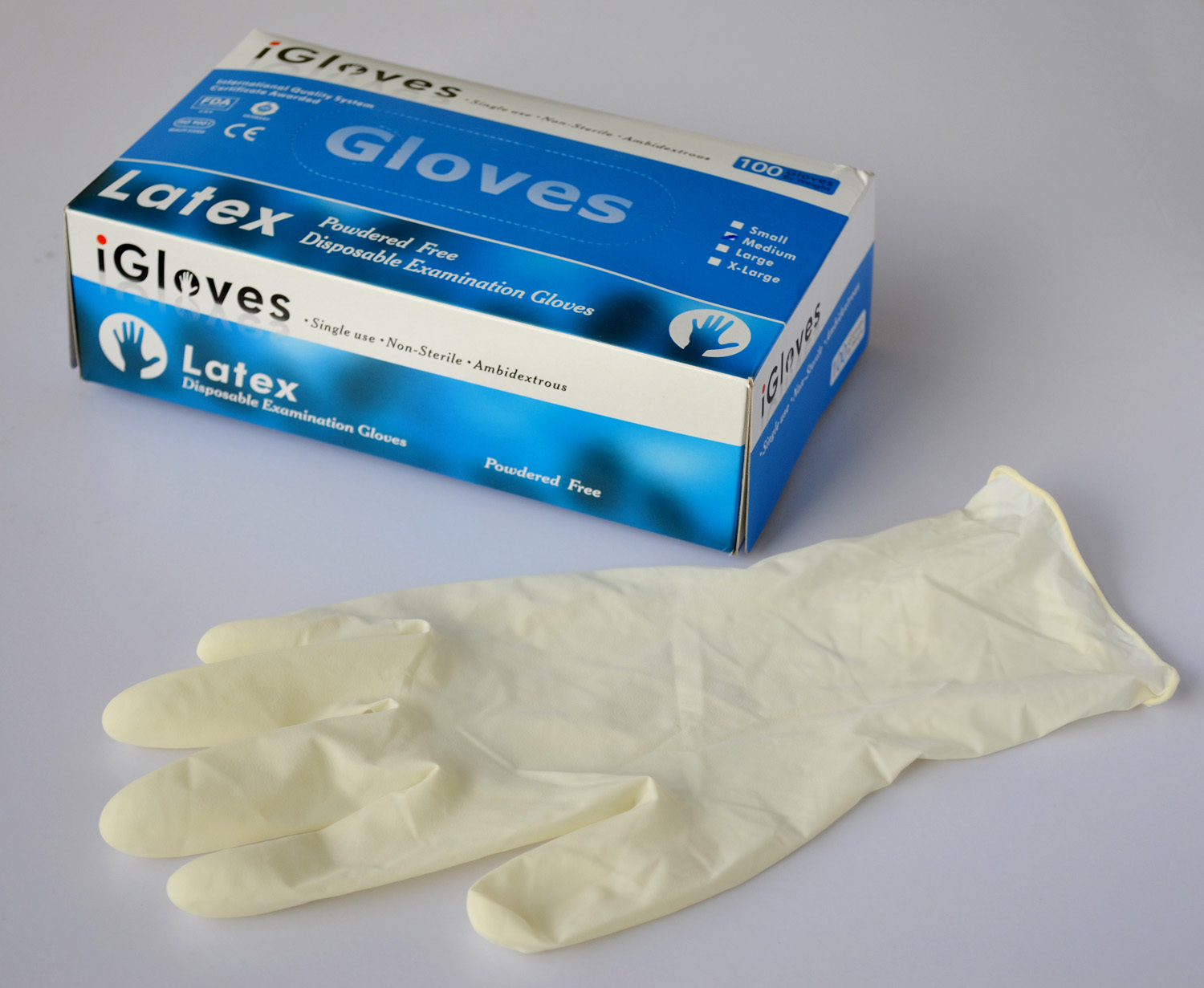
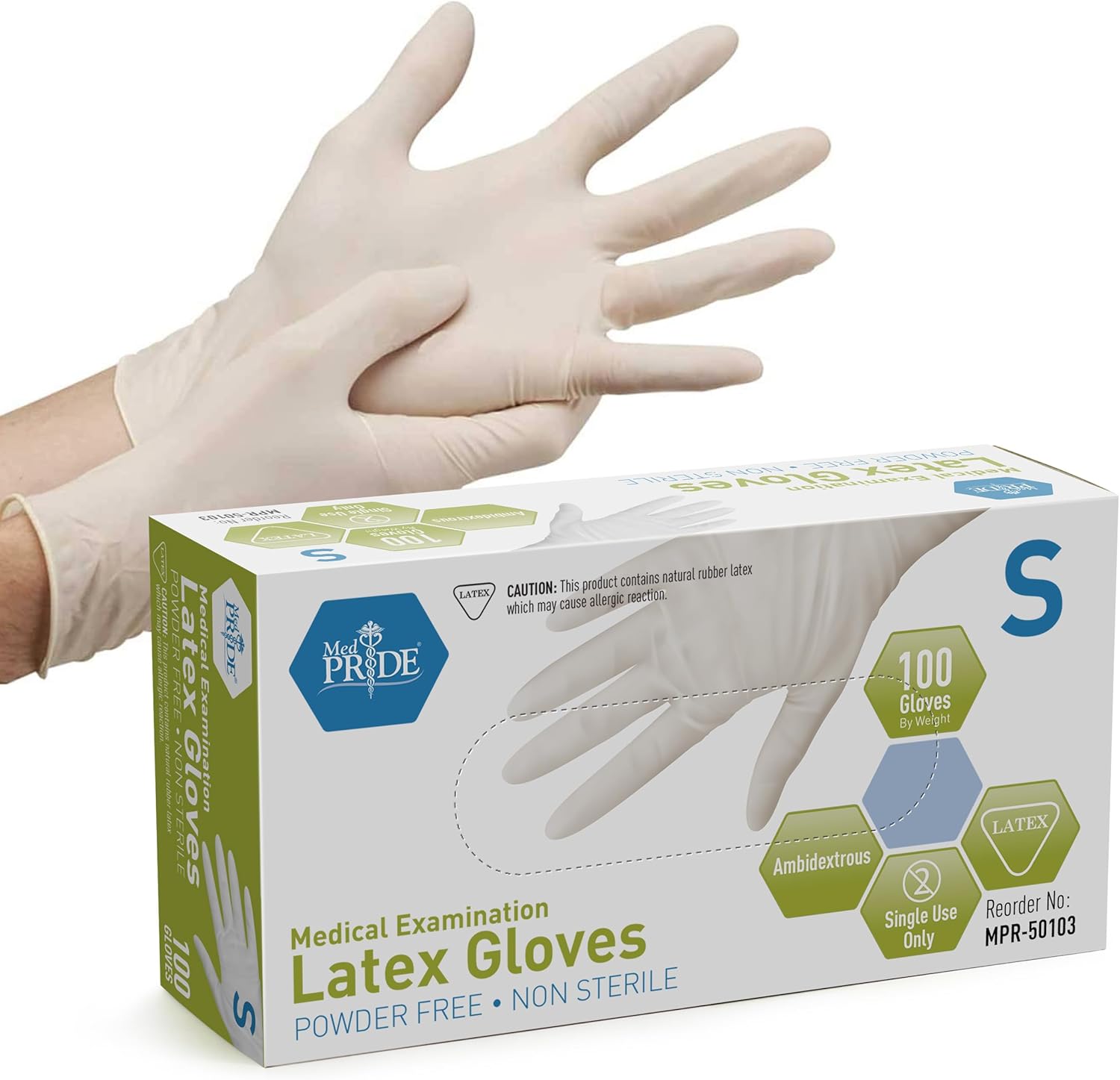
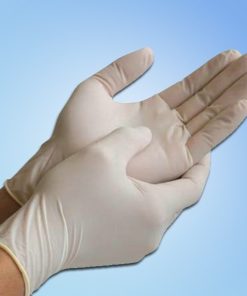
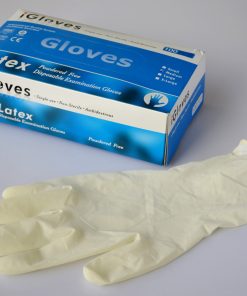

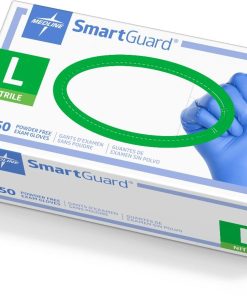
powder free gloves


Original price was: $45.00.$43.00Current price is: $43.00.
powder free gloves
Powder-Free Gloves: The Safer, Smarter Choice for Hand Protection
Gloves are a vital part of hygiene and safety across healthcare, food handling, industrial, and laboratory environments. Among the many types available, powder-free gloves have become the standard choice worldwide due to their safety, comfort, and versatility.
What Are Powder-Free Gloves?
Traditionally, disposable gloves were manufactured with cornstarch powder inside. The powder made them easier to put on and take off, especially during long shifts. However, medical research revealed that glove powder could trigger allergies, respiratory issues, and contamination risks.
As a result, powder-free gloves — made without cornstarch or other lubricating powders — have become the preferred alternative, particularly in healthcare and food industries.
Benefits of Powder-Free Gloves
1. Reduced Risk of Allergies
-
Powdered gloves can increase sensitivity to latex proteins, worsening latex allergies in some individuals.
-
Powder-free gloves eliminate this risk, making them safer for both wearers and patients/customers.
2. Improved Safety in Healthcare
-
Glove powder can carry particles into the air, potentially causing respiratory irritation or spreading pathogens.
-
In surgical environments, glove powder has been linked to post-operative complications, such as inflammation and delayed wound healing.
-
Powder-free gloves prevent these risks, ensuring safer medical procedures.
3. Cleaner Work Environments
-
Powder can contaminate food, lab samples, or sterile surfaces, making powdered gloves unsuitable for industries requiring strict hygiene.
-
Powder-free gloves help maintain a cleaner, contamination-free workspace.
4. Versatility Across Materials
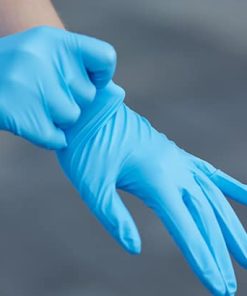
Powder-free options are now widely available in multiple glove types:
-
Nitrile: Durable, chemical-resistant, and latex-free.
-
Latex: High elasticity and comfort (powder-free reduces allergy risks).
-
Vinyl: Cost-effective and suitable for low-risk tasks.
5. Compliance with Global Standards
Many health authorities and regulators have moved toward restricting or banning powdered medical gloves. For example reinforcing the shift to powder-free alternatives.
Challenges of Powder-Free Gloves
-
Donning Difficulty: Powder-free gloves can be slightly harder to put on, especially with moist hands. Manufacturers address this by adding chlorination or polymer coatings to make donning easier.
-
Higher Cost: They are often more expensive than powdered versions, but the safety benefits outweigh the additional expense.
Industries That Benefit Most
-
Healthcare & Dentistry: For surgeries, examinations, and patient care.
-
Food Handling: Prevents contamination and improves food safety.
-
Laboratories: Maintains sterile conditions.
-
Manufacturing & Cleaning: Protects workers while avoiding messy powder residue.
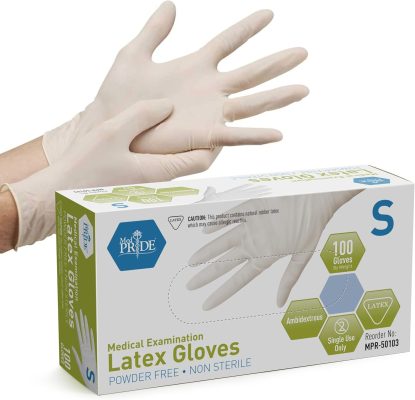
Powder-free gloves have become the gold standard in hand protection. They reduce the risk of allergies, improve hygiene, and comply with modern safety regulations. Whether in hospitals, restaurants, laboratories, or factories, powder-free gloves ensure that safety, cleanliness, and comfort go hand in hand.
powder free gloves
Powder-Free Gloves: The Safer, Smarter Choice for Hand Protection
Gloves are a vital part of hygiene and safety across healthcare, food handling, industrial, and laboratory environments. Among the many types available, powder-free gloves have become the standard choice worldwide due to their safety, comfort, and versatility.
What Are Powder-Free Gloves?
Traditionally, disposable gloves were manufactured with cornstarch powder inside. The powder made them easier to put on and take off, especially during long shifts. However, medical research revealed that glove powder could trigger allergies, respiratory issues, and contamination risks.
As a result, powder-free gloves — made without cornstarch or other lubricating powders — have become the preferred alternative, particularly in healthcare and food industries.
Benefits of Powder-Free Gloves
1. Reduced Risk of Allergies
-
Powdered gloves can increase sensitivity to latex proteins, worsening latex allergies in some individuals.
-
Powder-free gloves eliminate this risk, making them safer for both wearers and patients/customers.
2. Improved Safety in Healthcare
-
Glove powder can carry particles into the air, potentially causing respiratory irritation or spreading pathogens.
-
In surgical environments, glove powder has been linked to post-operative complications, such as inflammation and delayed wound healing.
-
Powder-free gloves prevent these risks, ensuring safer medical procedures.
3. Cleaner Work Environments
-
Powder can contaminate food, lab samples, or sterile surfaces, making powdered gloves unsuitable for industries requiring strict hygiene.
-
Powder-free gloves help maintain a cleaner, contamination-free workspace.
4. Versatility Across Materials
Powder-free options are now widely available in multiple glove types:
-
Nitrile: Durable, chemical-resistant, and latex-free.
-
Latex: High elasticity and comfort (powder-free reduces allergy risks).
-
Vinyl: Cost-effective and suitable for low-risk tasks.
5. Compliance with Global Standards
Many health authorities and regulators have moved toward restricting or banning powdered medical gloves. For example, the U.S. FDA banned powdered surgical and examination gloves in 2017, reinforcing the shift to powder-free alternatives.
Challenges of Powder-Free Gloves
-
Donning Difficulty: Powder-free gloves can be slightly harder to put on, especially with moist hands. Manufacturers address this by adding chlorination or polymer coatings to make donning easier.
-
Higher Cost: They are often more expensive than powdered versions, but the safety benefits outweigh the additional expense.
Industries That Benefit Most
-
Healthcare & Dentistry: For surgeries, examinations, and patient care.
-
Food Handling: Prevents contamination and improves food safety.
-
Laboratories: Maintains sterile conditions.
-
Manufacturing & Cleaning: Protects workers while avoiding messy powder residue.
Powder-free gloves have become the gold standard in hand protection. They reduce the risk
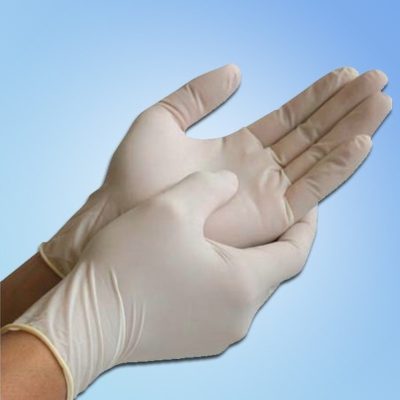
of allergies, improve hygiene, and comply with modern safety regulations. Whether in hospitals, restaurants, laboratories, or factories, powder-free gloves ensure that safety, cleanliness, and comfort go hand in hand.
“Пылесос вертикальный беспроводной редмонд vh1311 pro max, сухая, влажная и локальная уборка, расширенная комплектация.”
— edv-24.ru
“If you experience any problems or difficulties in accessing this website or its content, please email us at : accessibility@agent3000.”
— naplesfloridahomefinder.com
Be the first to review “powder free gloves”
Related products


Get in Shape

Dark spot serum


Dark spot serum


body fillers
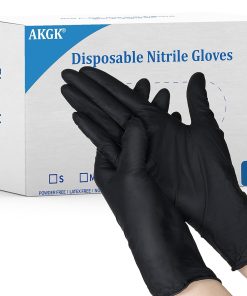
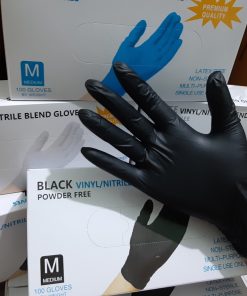
medical gloves
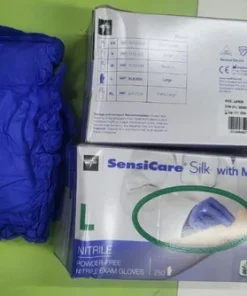
medical gloves
weight loss injections near me

medical gloves
Reviews
There are no reviews yet.