
Joint Pain Relief
Original price was: $48.67.$45.99Current price is: $45.99.
Joint Pain Relief
Frequently Asked Questions (FAQ)
What is the best joint pain relief cream?
The “best” cream depends on your specific pain. Medicated creams with diclofenac are clinically proven for arthritis. Natural options like Penetrex, which contain arnica, MSM, and Boswellia, are also highly rated by users for joint and muscle pain. Look for a product that is non-greasy and fast-acting for daily use.
How long do joint supplements take to work?
Joint supplements are not instant pain relievers. They work over time to support joint health. Most people need 4 to 8 weeks of consistent use before experiencing significant improvements in joint comfort.
Can I use a topical cream and take a supplement at the same time?
Yes, using a topical cream for targeted relief while taking oral supplements to support joint health can be an effective combination strategy. This dual approach may help manage immediate discomfort while also addressing long-term joint health.
Are there any risks to using joint pain relief creams or supplements?
Most topical creams and supplements are safe when used as directed. However, some people may experience mild stomach upset from supplements. Discontinue use if you experience skin irritation from a cream. Always consult a healthcare provider before starting new supplements, especially if you have chronic conditions or are on medications.
Joint Pain Relief
Your Guide to the Best Muscle and Joint Pain Relief Creams and Supplements
Joint pain can significantly impact your quality of life, making everyday activities feel challenging. Whether you are experiencing knee joint pain, stiffness from arthritis, or soreness after exercise, finding effective joint pain relief is a priority. This guide explores the best options available, from clinically proven topical creams to powerful oral supplements.
Understanding Joint Pain and Your Options
Joint pain can arise from various causes, including injury, osteoarthritis, rheumatoid arthritis, bursitis, and general wear and tear. The right treatment depends on the cause and severity of your pain. A multifaceted approach often yields the best results, combining lifestyle changes with targeted treatments.
Best Muscle and Joint Pain Relief Creams
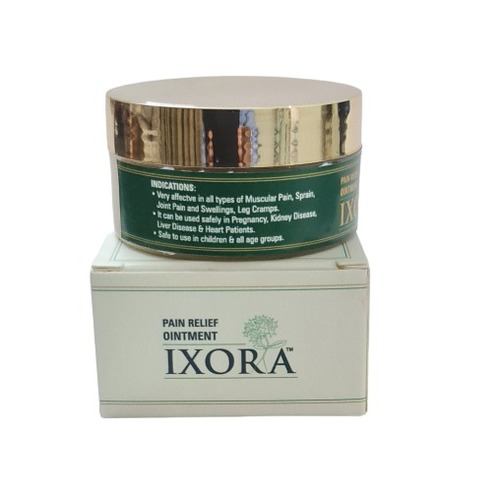
Topical creams offer targeted relief by delivering active ingredients directly to the source of pain. They are particularly useful for those who prefer to avoid oral medications or have concerns about potential side effects.
1. Medicated Topical Creams
Over-the-counter topical creams can be highly effective for joint pain. These often include:
-
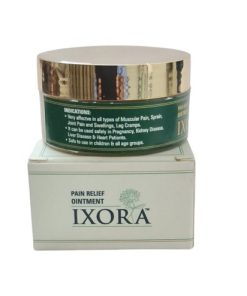
NSAID Creams: Products containing diclofenac work by reducing inflammation and pain locally. They are a recommended option for managing osteoarthritis pain.
-
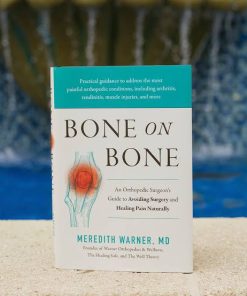
Creams with Natural Ingredients: Some top-rated creams use a blend of natural ingredients known for their soothing properties. For example, Penetrex Joint & Muscle Therapy Cream is an Amazon bestseller that uses a transdermal delivery system. Its blend includes arnica, vitamin B6, MSM, and Boswellia serrata to target soreness and inflammation without a greasy feel. Many users report it provides significant relief for conditions like “bone-on-bone pain”.
-
Menthol and Essential Oil Creams: Many joint creams combine glucosamine and chondroitin with menthol and essential oils like eucalyptus. These ingredients help maintain supple joints and provide a cooling or warming sensation that can temporarily ease pain and stiffness.
2. What to Look For in a Topical Cream
-
Non-Greasy Formula: For comfort during daily activities, look for non-greasy and non-staining options.
-
Odor-Free: Many effective creams are now formulated without strong odors, making them more convenient to use.
-
Fast-Acting: Choose products specifically designed for deep penetration to deliver fast-acting relief to the affected muscle or joint.
-
Joint Pain Relief
Best Joint Pain Relief Supplements
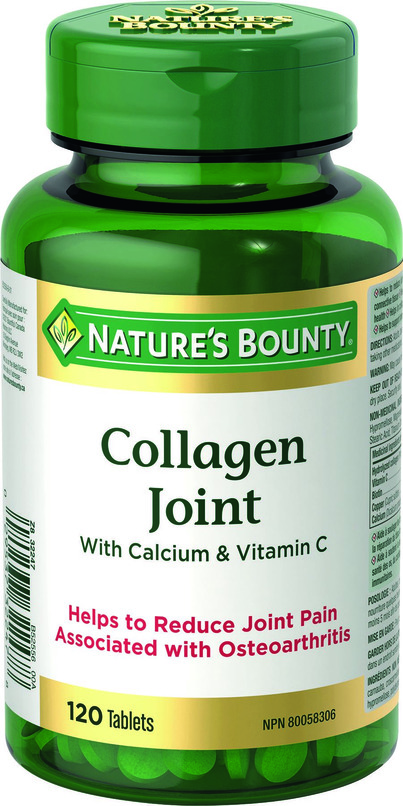
Oral supplements can support joint health from the inside out. While they are not a cure, they may reduce stiffness, support cartilage repair, and improve mobility over time.
Top Recommended Ingredients
-
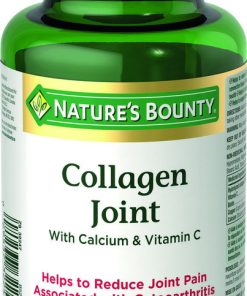
Glucosamine and Chondroitin: Among the most studied joint supplements, these are widely used for osteoarthritis. Glucosamine may support cartilage repair, while chondroitin helps keep it hydrated and flexible. Research on their effectiveness is mixed; some patients report reduced pain, while others see no improvement. If you choose to try them, consistent use for 8-12 weeks is recommended to assess benefit.
-
Turmeric (Curcumin): A natural anti-inflammatory with powerful pain-relieving potential. Research suggests it may ease discomfort as effectively as some over-the-counter medications. It is best absorbed when combined with black pepper extract.
-
Omega-3 Fatty Acids (Fish Oil): Helps reduce inflammation and may ease morning stiffness and overall joint discomfort.
-
MSM (Methylsulfonylmethane): Often found in joint blends, many people report less stiffness and soreness with regular use.
-
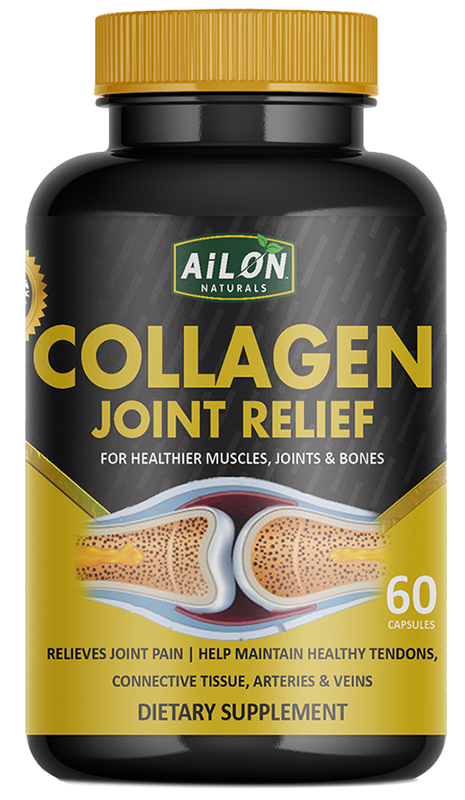
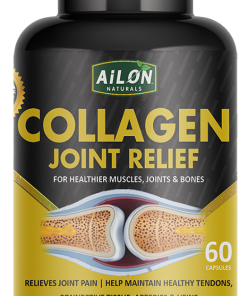
Collagen (Type II): Provides building blocks for cartilage repair. Hydrolyzed collagen peptides are easiest for the body to absorb.
Important Tips for Supplement Use
-
Be Patient: Joint improvements are gradual. Most products take 4 to 8 weeks of consistent use to deliver noticeable changes.
-
Choose Quality: Look for third-party testing certifications like USP, NSF, or ConsumerLab to ensure purity and potency.
-
Check Ingredients: Be aware of allergies. For example, glucosamine is often derived from shellfish, so choose vegan alternatives if needed.
Additional Strategies for Knee Joint Pain Relief
Managing knee joint pain relief often requires more than just creams and supplements.
-
Lifestyle Changes: Regular exercise, a healthy diet, and maintaining a healthy weight can all help reduce your chances of having joint pain or ease pain associated with long-term conditions.
-
Heat and Cold Therapy: Using heat (such as a hot pack) can help joints feel better by easing stiffness. Cold packs can reduce soreness and swelling. Always place a towel between the pack and your skin to prevent burns or frostbite.
-
Pacing and Rest: Plan your activities to include rest breaks. Even 5 minutes of rest can help, and changing your position often can manage symptoms.
-
Assistive Devices: A brace can help stabilize your joint, and a cane or walker can aid mobility for those with hip or knee pain.
Be the first to review “Joint Pain Relief”
Related products

Get in Shape


Get in Shape
Get in Shape

Get in Shape
Get in Shape


Get in Shape

Get in Shape
Reviews
There are no reviews yet.