
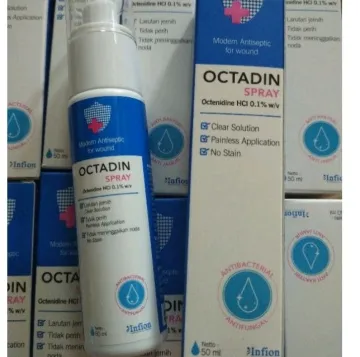
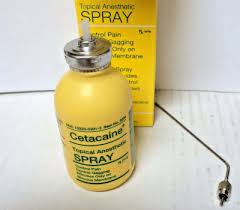
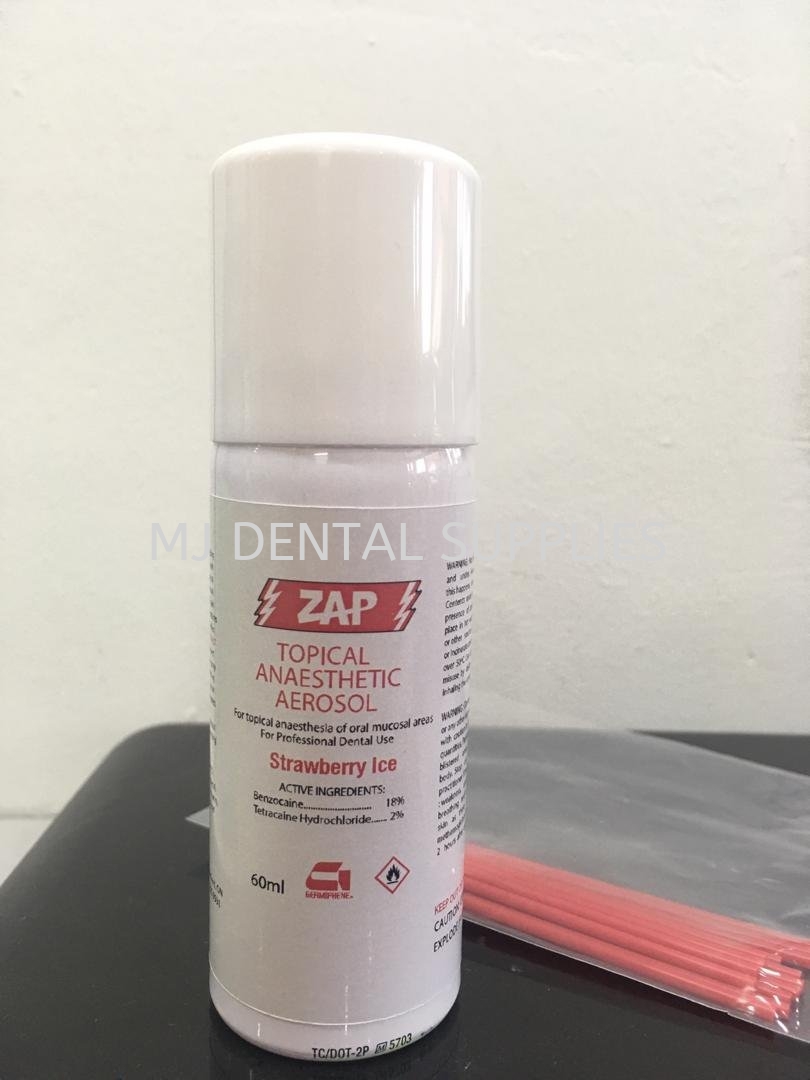
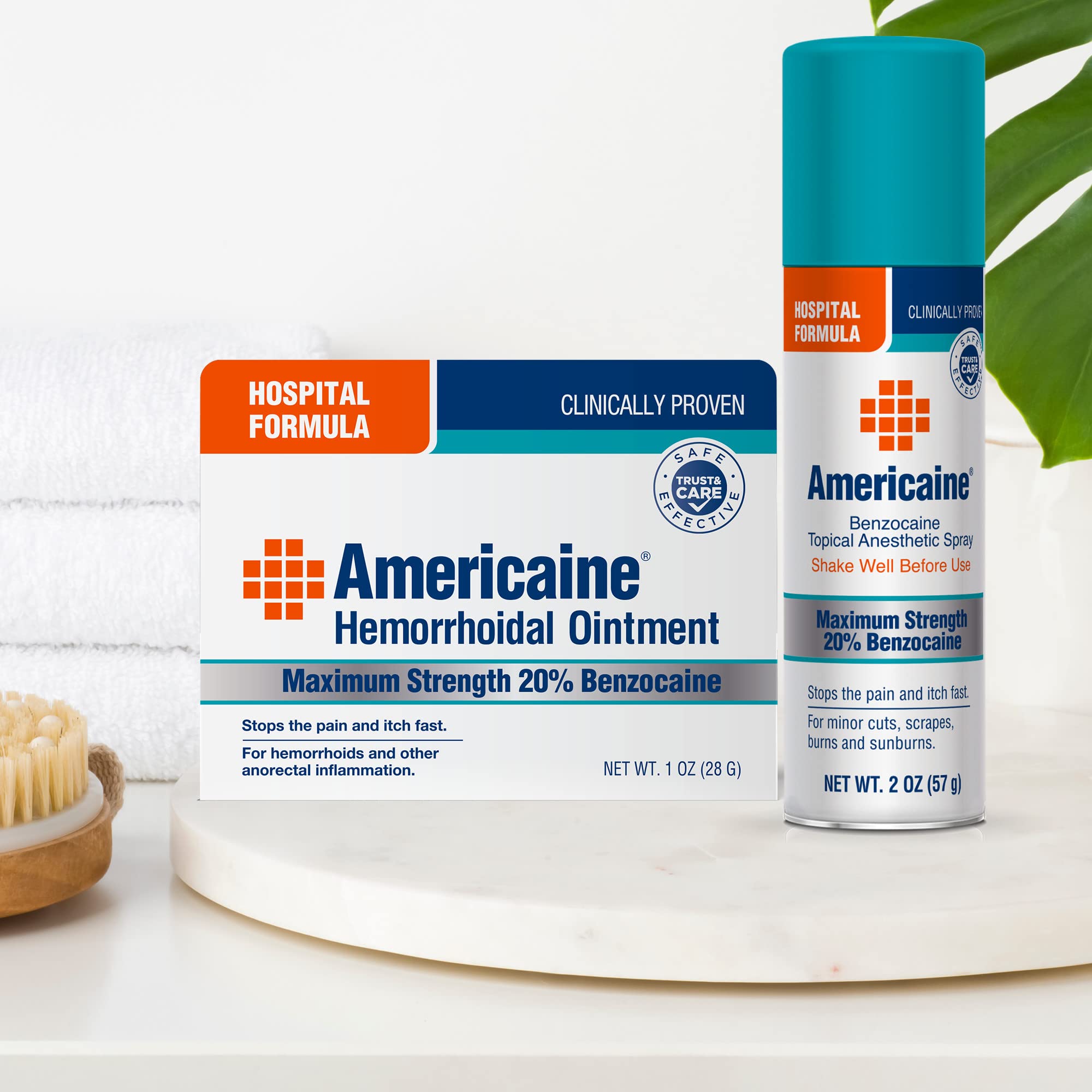
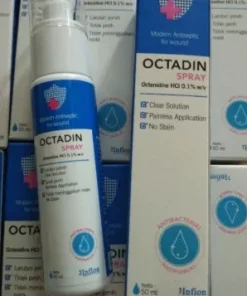
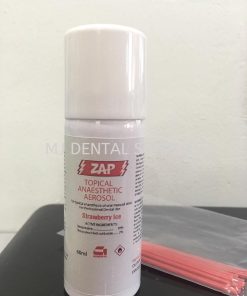
benzocaine spray

Original price was: $25.00.$23.00Current price is: $23.00.
benzocaine spray
- Benzocaine Spray is a topical local anesthetic produced by Major Pharmaceuticals.
- The average retail price is $16.16 for a box containing 1, 20%, 25 unit dose 0.5ml sprays.
- Using a SingleCare prescription discount card, the price can be reduced to $8.10 for the same quantity.
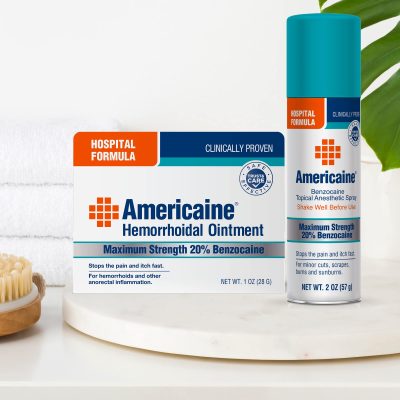
- Benzocaine Spray is the generic form, while Americaine is the branded version, which is usually more expensive.
- Without insurance, the retail price is $16.16, but SingleCare coupons can reduce it to $8.10.
- With insurance, costs vary depending on the coverage; if not covered, SingleCare can be used for discounts.
- SingleCare discounts are also available for Medicare or Medicaid beneficiaries if those programs don’t cover the medication.
- SingleCare coupons can be used at many national pharmacies like Walgreens, Kroger, Walmart, CVS, and Safeway.
- Coupons can be accessed via text, email, print, or mobile wallet and shown to the pharmacist at pickup.
- Benzocaine Spray offers the same ingredients as Americaine but at a significantly lower price.
Benzocaine is a local (topical) anesthetic. In the 20% spray formulation, it’s quite strong and is used to temporarily numb mucous membranes (in the mouth or throat) or skin. The spray allows benzocaine to be applied directly to an area where pain or discomfort exists — for example, before certain medical procedures (like endoscopy), dental work, or to relieve sore throat, mouth ulcers, etc.
How It Works
-
Mechanism: Benzocaine blocks nerve signals by inhibiting voltage-gated sodium channels. This prevents the nerves in the sprayed area from sending pain signals.
-
Onset & Duration: Effects are usually rapid (within minutes), and the numbness typically lasts only a short time.
Common Uses
Some situations in which a benzocaine 20% spray might be used include:
-
To numb the throat or mouth before endoscopic or diagnostic procedures.
-
To reduce gag reflex in certain medical settings.
-
For short-term relief of throat soreness, mouth pain (ulcers, irritation).
-
Sometimes in dentistry or oral surgery, to reduce discomfort.
Risks & Side Effects
Because 20% is a relatively high concentration, there are important safety concerns.
Methemoglobinemia
One of the most serious risks is methemoglobinemia: a condition where benzocaine oxidizes hemoglobin iron (from Fe²⁺ to Fe³⁺), reducing the ability of blood to carry oxygen. Symptoms can include:
-
Cyanosis (bluish or gray skin, lips, or nail beds) Shortness of breath, fast heart rate, fatigue, lightheadedness
-
Possibly headache, confusion, or other signs of low oxygen in tissues
Reported cases show that methemoglobinemia can develop very quickly, sometimes within minutes of application.
In documented incidents using benzocaine 20% spray (such as “Hurricaine” spray), patients developed methemoglobinemia during endoscopic procedures. Treatment with methylene blue (intravenous) was effective.
Other Risks & Considerations
-
Allergic reactions (rash, swelling, itching) to benzocaine or related compounds.
-
If mucous membranes are inflamed or damaged, absorption might be increased, raising risk.
-
Persons with certain medical conditions are at higher risk, including:
-
Lung disease (asthma, COPD) NCBI+2medilib.ir+2
-
Heart disease medilib.ir+1
-
Enzyme deficiencies (e.g., glucose-6-phosphate dehydrogenase, NADH-methemoglobin reductase deficiency) medilib.ir+1
-
Very young children (especially under 2 years old) and infants U.S. Food and Drug Administration+1
-
-
Overuse (too many sprays, too long spraying time) can increase risk. Non-metered sprays especially may deliver variable (often excessive) amounts depending on how long the trigger is pressed, the orientation of the can, etc. PMC
Safe Use Guidelines
To reduce the risk when using benzocaine 20% spray, the following practices are advisable:
-
Use the lowest effective dose: Limit the number of sprays, and the duration of each spray. For example, in some cases it’s recommended to limit to 1 second of spray. PubMed+1
-
Avoid multiple repeated applications in a short time. Let effects wear off before considering another dose.
-
Monitor for symptoms: After use, watch for any signs of methemoglobinemia or allergic reaction. If symptoms appear, seek medical attention immediately.
-
Avoid use in high-risk individuals: Young children, people with lung/heart disease, enzyme defects, or damaged mucous membranes.
-
Consider alternatives when risk is high: For example, lidocaine-based sprays or gels might have lower risk of this specific complication.
Alternative Options
If benzocaine 20% spray is judged too risky (due to medical history, location of pain, etc.), some alternatives include:
-
Lidocaine topical formulations (sprays, gels)
-
Lower-concentration benzocaine gels or ointments (if only surface pain)
-
Non-anesthetic pain relief or soothing methods (lozenges, numbing lozenges with less risk)
-
Ice or cold compress (for external/skin pain)
benzocaine spray
Benzocaine Spray: Uses, Benefits, and Safety
Benzocaine spray is a topical anesthetic (numbing agent) commonly used for quick and temporary relief of pain or discomfort in the mouth, throat, or skin. As an over-the-counter product, it’s popular for soothing everything from minor dental pain to sore throats, but like all medicines, it must be used safely.
What is Benzocaine Spray?
Benzocaine is a local anesthetic that works by blocking nerve signals in the body. When sprayed directly onto the affected area, it temporarily numbs the surface, reducing sensations of pain, burning, or irritation.
Benzocaine sprays are available in various strengths and formulations, depending on their intended use.
Common Uses of Benzocaine Spray
Benzocaine sprays are designed for short-term, localized relief. Some of the most common applications include:
-
Oral and dental pain: Relief from toothaches, sore gums, or irritation from braces and dentures.
-
Sore throat: Some sprays are designed to numb throat pain associated with infections, tonsillitis, or irritation.
-
Mouth ulcers and canker sores: Temporary numbing to reduce discomfort.
-
Minor skin irritations: Sunburn, insect bites, or minor scrapes and burns.
-
Medical and procedural use: In clinical settings, benzocaine sprays are sometimes used to numb the throat before procedures like endoscopy or intubation.
Benefits of Benzocaine Spray
-
Fast-acting: Provides rapid pain relief within minutes.
-
Convenient: Easy to apply directly to the painful area.
-
Non-prescription availability: Many formulations can be purchased over the counter.
Safety and Side Effects
While benzocaine spray is generally safe when used as directed, it’s not without risks. Possible side effects include:
-
Mild stinging or burning at the application site
-
Redness or skin irritation
-
Allergic reactions (rash, itching, swelling)
Rare but Serious Risk: Methemoglobinemia
One of the most serious—but rare—side effects of benzocaine is a condition called methemoglobinemia, where the blood’s ability to carry oxygen is reduced. Symptoms include:
-
Pale or bluish skin
-
Shortness of breath
-
Fatigue
-
Rapid heartbeat
This condition can be life-threatening and requires immediate medical attention. Because of this risk, benzocaine sprays are not recommended for children under 2 years old, and caution is advised in older children and adults.
Who Should Avoid Benzocaine Spray?
-
Children under 2 years old
-
People with a history of methemoglobinemia
-
Those with known allergies to benzocaine or similar anesthetics (like procaine or lidocaine)
How to Use Benzocaine Spray Safely
-
Follow dosage instructions carefully on the product label.
-
Apply only to the affected area—avoid swallowing or spraying excessively.
-
Do not use repeatedly for prolonged periods; it’s meant for short-term relief.
-
Consult a doctor if pain persists, as it could signal an underlying condition requiring treatment.
Bottom Line
Benzocaine spray can be a fast and effective option for relieving localized pain, particularly in the mouth and throat. However, it should always be used responsibly and with awareness of potential risks. For persistent pain or frequent need, it’s best to consult a healthcare professional to identify and treat the underlying cause.
“Робот пылесос dreame d20 ultra (rld31se) для сухой и влажной уборки до 260 минут, 13000 Па, станция самоочистки 3.”
— edv-24.ru
“We strive to meet the standards of the world wide web consortium’s web content accessibility guidelines 2.”
— naplesfloridahomefinder.com
Be the first to review “benzocaine spray”
Related products
Dark spot serum
medical gloves
Get in Shape
Dark spot serum

body fillers


Dark spot serum
Dark spot serum


Get in Shape
Reviews
There are no reviews yet.