
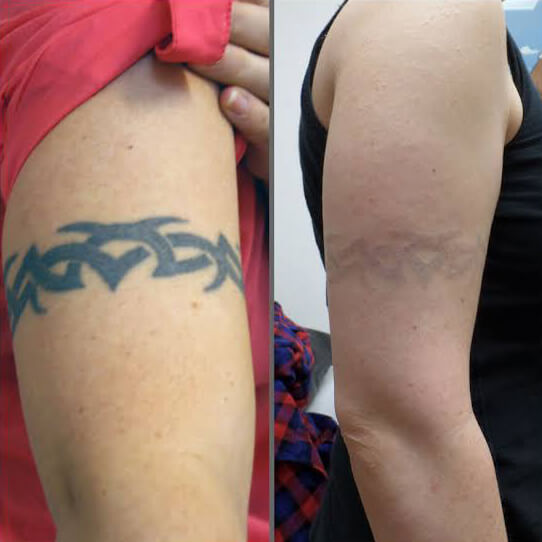
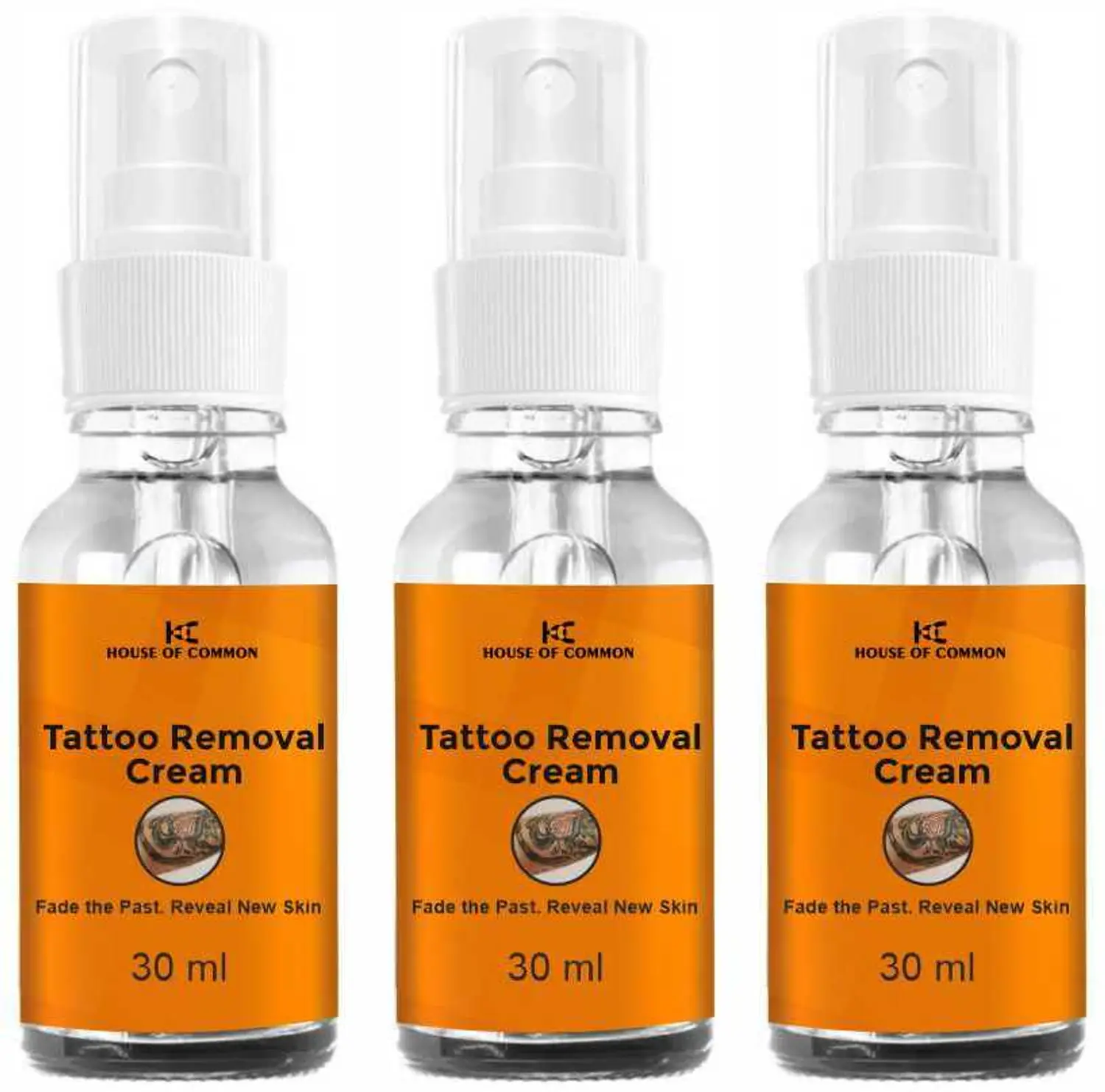
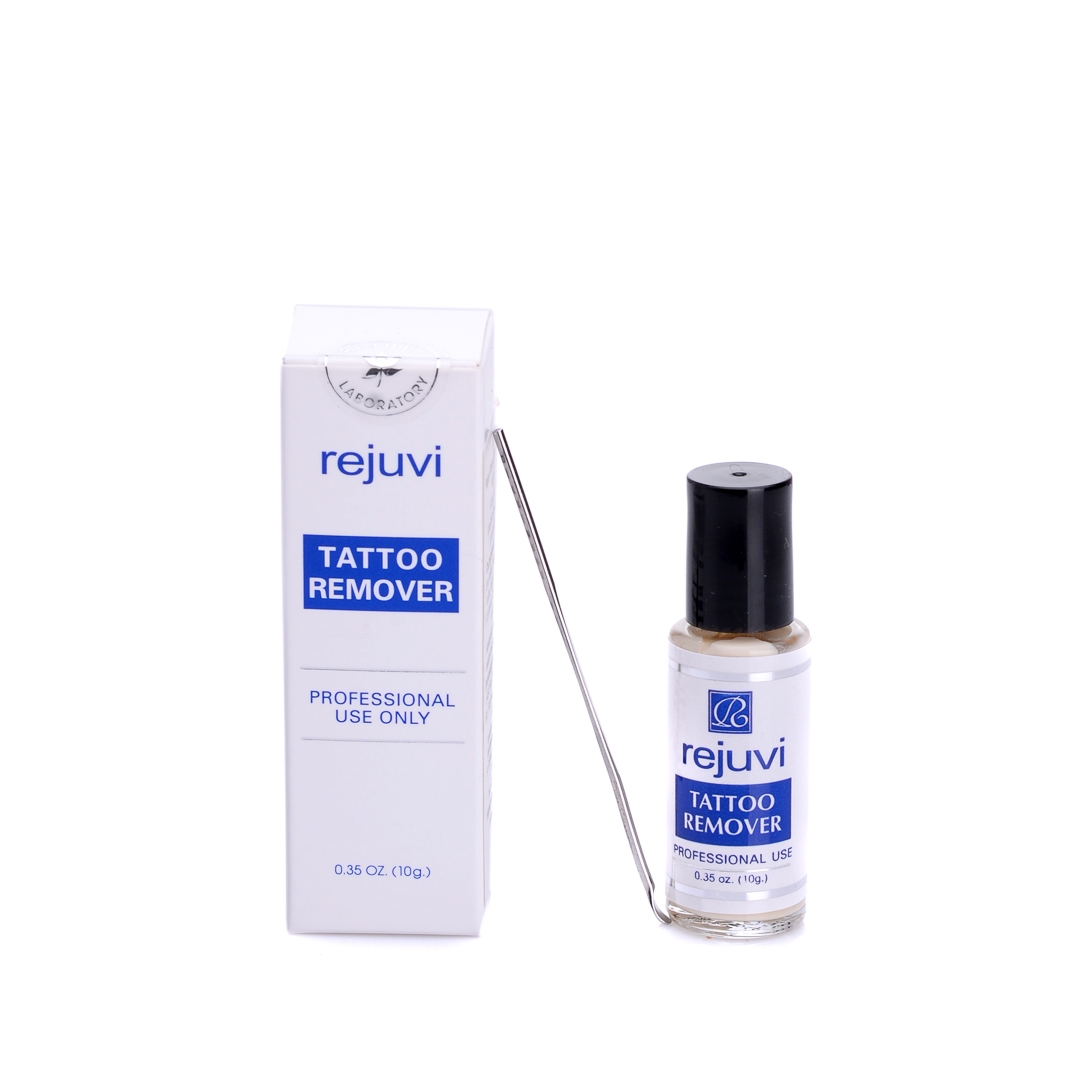
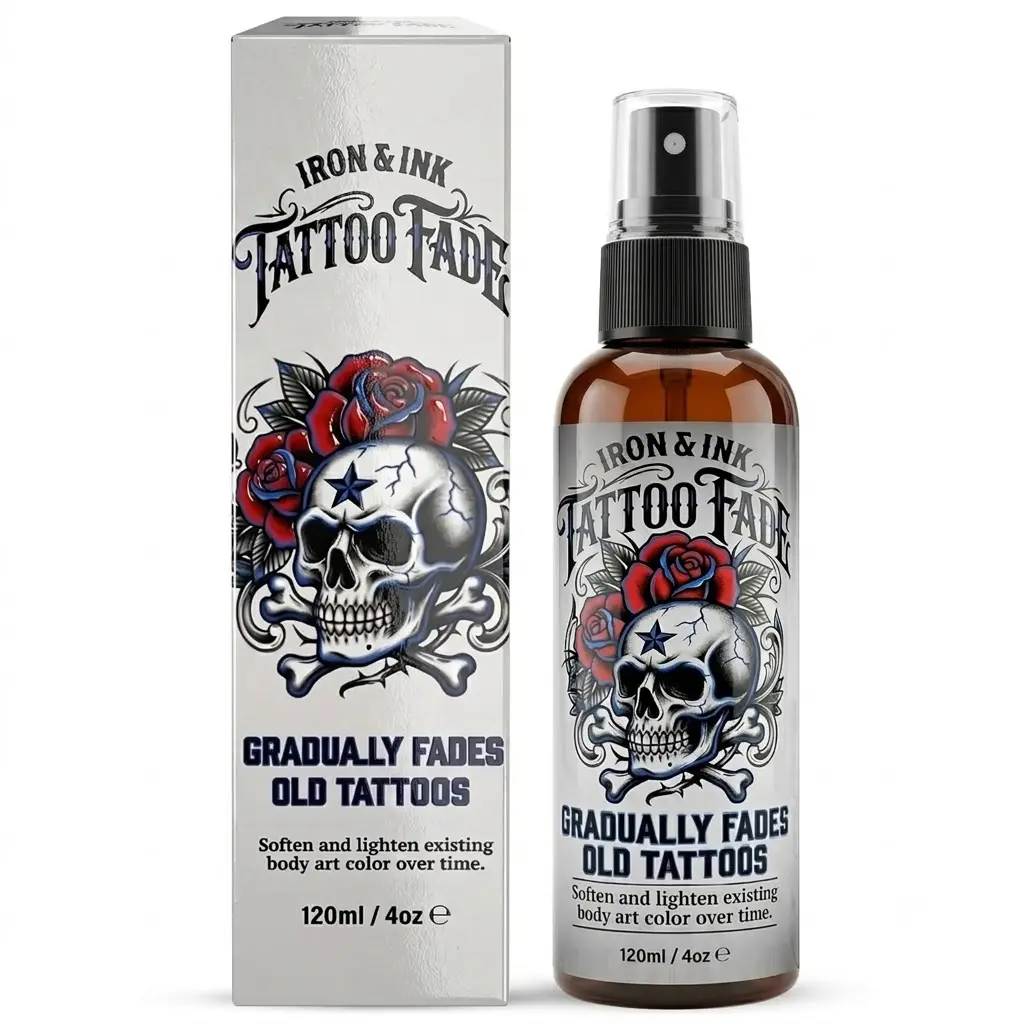
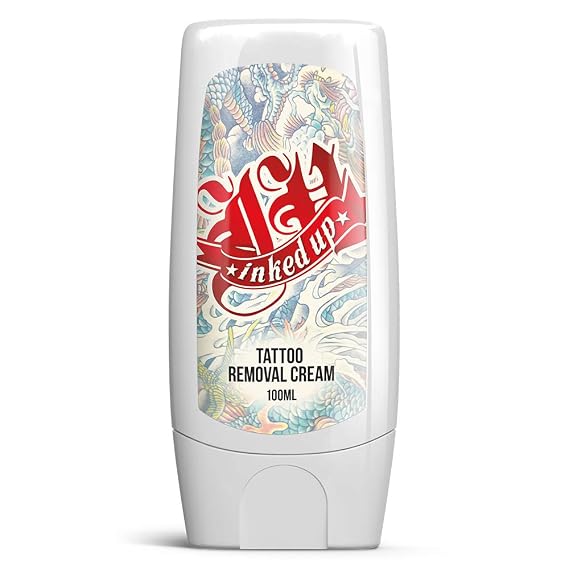
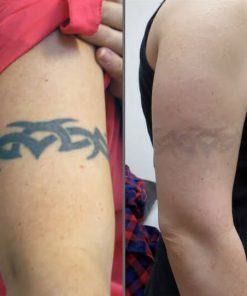
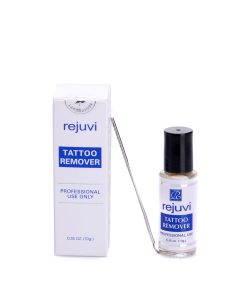
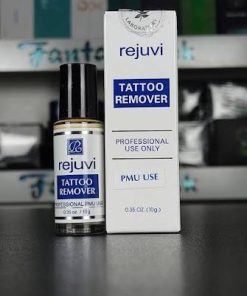
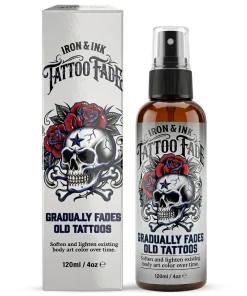
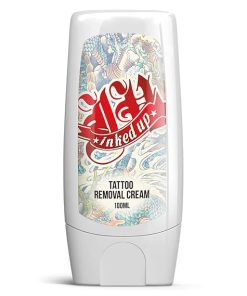
Tattoo Removal Cream
Original price was: $54.87.$49.99Current price is: $49.99.
Tattoo Removal Cream
Frequently Asked Questions (FAQ)
1. Is there a permanent tattoo removal cream?
No. Currently, there is no scientifically proven cream that can permanently remove a tattoo from home. The tattoo ink is placed too deep in the dermis for any over-the-counter topical cream to reach and destroy it .
2. Can tattoo removal creams damage my skin?
Yes. Many tattoo removal creams contain harsh acids, bleaching agents, and allergens that can cause chemical burns, permanent scarring, and skin discoloration .
3. Do tattoo fade creams work on permanent makeup?
Like tattoos on the body, permanent makeup is also deposited in the dermis. Fading creams that work on the surface will not be effective and can cause serious damage to the delicate skin on your face . It is highly recommended to see a professional for the removal of permanent makeup.
4. How can I actually remove my tattoo safely?
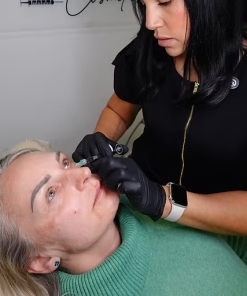
The safest and most effective method for tattoo removal is professional laser treatment. Consult a board-certified dermatologist or a clinic that uses medical-grade lasers, such as Q-switched or Pico lasers, to discuss the best approach for your tattoo and skin type .
5. Can numbing cream help with tattoo removal?
Professional clinics often use high-strength prescription numbing creams (like those with 10.56% Lidocaine) to make the laser removal process more comfortable . However, these are used to manage pain, not to remove the tattoo itself.
At Beauty AestheticsFillers Store, we value your safety and satisfaction. We strongly advise against using over-the-counter tattoo removal creams and encourage you to seek professional advice from a qualified medical professional for any tattoo removal needs.
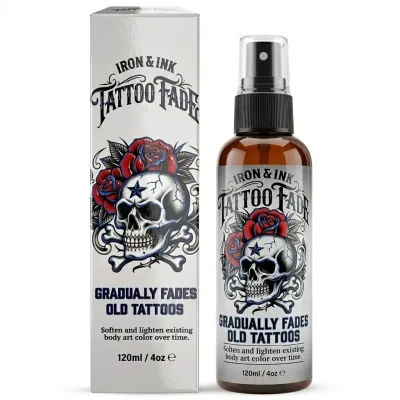
Tattoo Removal Cream
If you have an unwanted tattoo, you’ve likely searched for solutions. Perhaps you typed in tattoo removal cream, tattoo erase cream, or tattoo fade cream, hoping for an easy, at-home fix. At Beauty AestheticsFillers Store, we understand the desire to erase ink without the pain and expense of professional treatments. The market is flooded with products claiming to be a “permanent tattoo removal cream,” promising to banish ink with a simple application.
But do they work? The short answer is no. While these creams are heavily marketed, a deep dive into the science behind tattoos reveals why these products are largely ineffective and can even be dangerous .
This comprehensive guide will explain what tattoo removal creams are, how they claim to work, the significant risks they pose, and why they cannot deliver the permanent results they promise.
What Is Tattoo Removal Cream?
Tattoo removal cream is a topical product marketed as a solution to fade or completely erase tattoo ink from the skin. These creams are applied directly to the tattooed area and are sold online or over the counter. They are often an attractive option because they are significantly cheaper than professional laser treatments and promise the convenience of at-home use .
Common Ingredients Found in Tattoo Removal Creams
These products often contain a mix of harsh chemicals and exfoliants designed to peel away the skin’s surface. Common ingredients found in tattoo removal creams include :
-
Acids: Salicylic acid, glycolic acid, or trichloroacetic acid (TCA) are used for their peeling action.
-
Bleaching Agents: Hydroquinone is sometimes used, which is a powerful skin-lightening agent.
-
Alcohol: SD alcohol is a common solvent and astringent.
-
Essential Oils: Tea tree oil, lavender, clove, and other plant extracts that can cause allergic reactions.
-
Skin-Lightening Agents: Alpha arbutin and kojic acid are sometimes found in formulas designed for cosmetic tattoos.
While a few creams feature “skin-friendly” or natural ingredients , the core issue remains: they cannot reach the ink.
Why Tattoo Removal Creams Are Ineffective
To understand why these creams don’t work, we must understand how a tattoo is created. When a tattoo needle punctures the skin, it penetrates the epidermis (the outer layer) and deposits ink into the dermis (the deeper layer) . This is where the ink is meant to remain permanently.
The problem is that topical creams can only affect the outermost layer of skin, the epidermis. They simply cannot penetrate deeply enough to reach the dermis to interact with or break down the tattoo pigment . The molecules in the cream are too large to pass through the skin’s protective barrier to the depth where the ink is stored.
At best, these creams might cause some lightening or peeling of the skin’s surface, which can create the illusion of a fading tattoo. However, the ink itself remains deep within the dermis, unchanged .
The Dangers of Tattoo Removal Creams
Because tattoo removal creams contain strong acids, bleaching agents, and potential allergens, they pose significant risks to your skin’s health. Dermatologists strongly advise against their use .
Common Side Effects
-
Chemical Burns: The acids in many creams can cause serious chemical burns on the skin.
-
Skin Irritation & Rashes: Redness, peeling, inflammation, and hives are common reactions.
-
Permanent Scarring: The damage caused by these creams can lead to permanent scarring, which defeats the purpose of removing a tattoo for cosmetic reasons.
-
Skin Discoloration: Hypopigmentation (lightening of the skin) or hyperpigmentation (darkening) can occur. This risk is especially high for people with darker skin tones .
-
Allergic Reactions: Essential oils and other plant extracts are common allergens that can cause severe reactions, including anaphylaxis .
A Scientific Glimmer of Hope? The Imiquimod Study
It’s important to note that scientific research is exploring prescription creams that might assist in tattoo removal. One study looked at using a prescription cream called imiquimod 5% in conjunction with a specific type of laser .
This small study found that patients who used the imiquimod cream alongside laser treatment had a more favorable outcome than those who only used the laser. However, it’s critical to understand that imiquimod is a prescription medication, not an over-the-counter tattoo removal cream, and it was used with professional laser treatment, not as a standalone solution . This research does not validate the claims of the creams you find online.
The Future of Cream-Based Removal
One intriguing concept emerged from a researcher who proposed a cream that would work differently. Unlike current creams that try to physically remove ink from the skin, this proposed cream aimed to recruit the body’s own immune system to “eat” the pigment and carry it away .
This research is still in its early stages and, as of 2015, had not been developed into a market-ready product. It highlights a potential future direction, but this technology is not the same as the dangerous and ineffective creams currently being sold .
Safe and Effective Tattoo Removal Options
If you are serious about removing an unwanted tattoo, it is best to consult a dermatologist or a professional clinic. DIY methods and over-the-counter creams are a waste of money and can permanently harm your skin.
The gold standard for tattoo removal is laser therapy. Here is a quick comparison:
| Feature | Tattoo Removal Cream | Professional Laser Removal |
|---|---|---|
| How It Works | Superficial peeling/bleaching | Breaks down ink particles with light energy |
| Effectiveness | Ineffective; cannot reach the dermis | Highly effective; can remove or significantly fade tattoos |
| Ink Penetration | Only reaches the epidermis (outer layer) | Reaches and targets ink in the dermis |
| Risks | Chemical burns, scarring, discoloration, allergic reactions | Temporary redness, blistering, and risk of scarring (when performed incorrectly) |
| Time | Perpetual, with no guaranteed results | Multiple sessions over several months |
| Cost | Cheaper upfront, but a complete waste of money for no results | More expensive, but offers real, visible results |
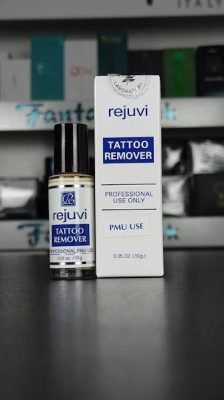
Be the first to review “Tattoo Removal Cream”
Related products
Aesthetics
Aesthetics
Aesthetics
Aesthetics
Aesthetics
Aesthetics
Aesthetics


Aesthetics
Reviews
There are no reviews yet.