
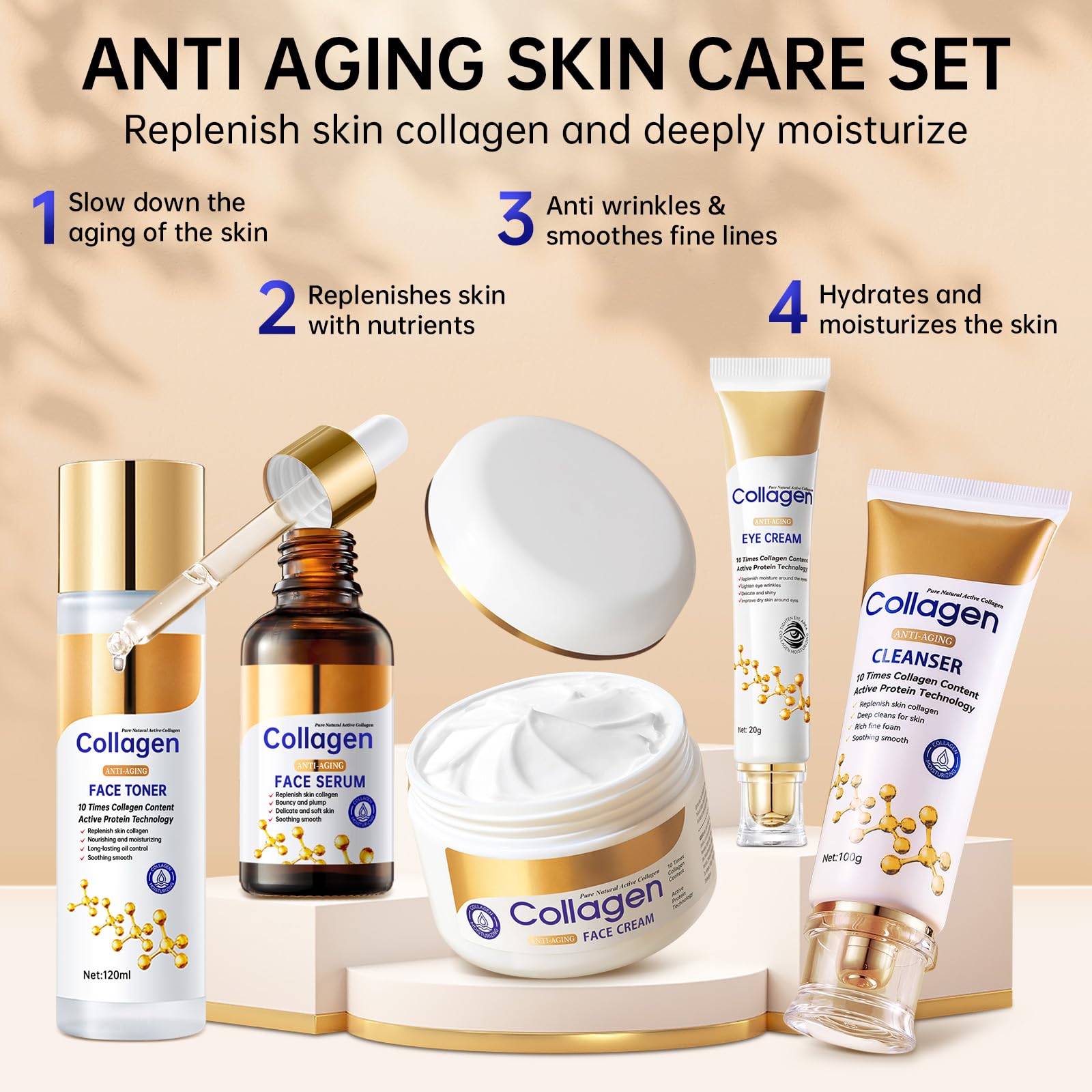
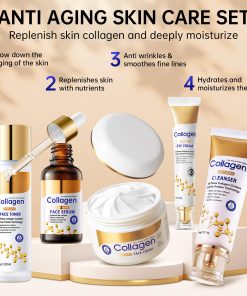
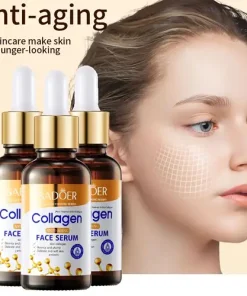
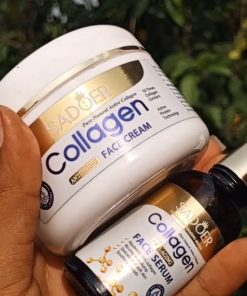
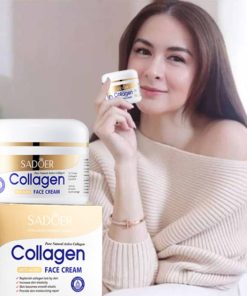
Anti aging skin care
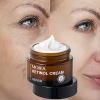

Original price was: $138.00.$134.00Current price is: $134.00.
Anti aging skin care
How do I choose an anti-aging cream for the eye area?
Look for eye creams formulated with peptides to firm and smooth, caffeine to reduce puffiness, and hyaluronic acid for hydration. Apply it gently with your ring finger, patting the product in without tugging at the delicate skin.
What is the difference between retinol, retinal, and tretinoin?
They are the same pathway at different strengths. Tretinoin is the most potent and requires a prescription; retinaldehyde converts in one step and balances strength with tolerability; retinol is gentler still.
Can I see results from anti-aging products quickly?
While some products offer immediate hydrating effects, true structural changes take time. Results from using a peptide or retinol cream are often clinically visible in as little as 4 weeks, with more significant transformation occurring over 3 to 6 months of consistent use.
Anti aging skin care
Your Guide to Effective Products and Routines
The pursuit of healthy, youthful-looking skin is a journey, not a destination. With the market flooded with skincare anti-aging products, it can be challenging to know which ones actually deliver results. This guide cuts through the noise, outlining a science-backed approach to an anti-aging skincare routine using key products like anti-aging cream for eye areas, potent serums, and effective anti-age moisturizers. For premium skincare solutions, visit aestheticsfillers.
The Science-Backed Anti-Aging Routine
A consistent and balanced routine is key. As esthetician Patricia Conrad notes, “The best routine is consistent and balanced, protecting the skin in the morning and repairing it at night”. The evidence hierarchy for anti-aging is clear: daily sunscreen is paramount, followed by retinoids, with vitamin C and niacinamide playing crucial support roles.
1. Morning: Protect and Defend
Your morning routine should focus on protection against environmental stressors.
-
Gentle Cleanse: Start with a fragrance-free cleanser that removes impurities without stripping the skin. This step preps the skin for the active ingredients to follow.
-
Antioxidant Serum: Apply a serum with Vitamin C. This powerful antioxidant neutralizes free radicals from UV exposure and pollution, brightens the skin, and can help with pigment management.
-
Eye Cream: The skin around the eyes is delicate and often shows the first signs of aging. Look for an anti-aging cream for eye areas with peptides or caffeine to reduce puffiness, firm the skin, and smooth fine lines. For optimal results, products formulated with niacinamide can also prevent pigmentation spots in this area.
-
Moisturize: Lock in hydration with an anti-age moisturizer. A good moisturizer is crucial for mature skin, which is prone to dryness. Look for ingredients like shea butter, squalane, or ceramides to strengthen the skin barrier.
-
Sun Protection: This is the single most important step. Apply a broad-spectrum sunscreen with SPF 30 or higher daily. Sun damage drives the majority of wrinkles, laxity, and spots.
2. Evening: Repair and Rejuvenate
Your night routine is your opportunity for deep repair and regeneration.
-
Double Cleanse: Ensure all makeup and sunscreen are thoroughly removed with an oil or balm cleanser followed by your gentle water-based cleanser.
-
Treatment Serum: This is where you introduce your most potent actives. A retinoid (retinol, retinal, or prescription tretinoin) is the best-studied topical for stimulating collagen and reducing fine lines.
-
Tip for Sensitive Skin: If you are new to retinoids or have sensitive skin, start by “pulsing” them. Use the serum two to three times a week and alternate it with hydrating or barrier-repair serums to avoid irritation.
-
-
Targeted Eye Cream: Apply your eye cream again at night to support the skin’s repair process while you sleep.
-
Night Cream: Follow with a richer night cream. Products with peptides or melatonin-mimicking ingredients can boost collagen production and support the skin’s natural reparative functions overnight.
Key Ingredients to Look For
Understanding the “why” behind the ingredients helps you make informed choices.
-
Retinoids: The gold standard for collagen stimulation and fine-line reduction.
-
Vitamin C: A potent antioxidant for brightening and protection.
-
Niacinamide (Vitamin B3): A multi-tasker that balances skin tone, refines texture, and helps support the skin barrier.
-
Peptides: These amino acid chains signal the skin to produce more collagen, which helps plump and smooth the skin.
-
Hyaluronic Acid/Squalane: Powerful hydrators that draw moisture into the skin and lock it in, plumping fine lines.
Frequently Asked Questions (FAQ)
What actually reduces wrinkles, according to research?
In evidence order: daily broad-spectrum sunscreen (for prevention and modest reversal), retinoids (the best-studied topical for collagen and fine lines), and vitamin C as antioxidant support. A routine built on these three pillars captures most of what topicals can do.
Do expensive anti-aging creams work better than affordable ones?
Price correlates weakly with efficacy. The actives with the strongest data—retinoids, vitamin C, niacinamide, and sunscreen filters—are all available in excellent mid-priced formulas. Luxury pricing typically buys texture, packaging, and fragrance rather than better biology.
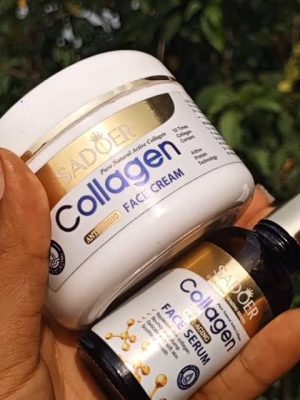
Be the first to review “Anti aging skin care”
Related products
Aesthetics
Aesthetics

Aesthetics
Aesthetics
Aesthetics
Aesthetics
Aesthetics


Aesthetics
Reviews
There are no reviews yet.