Aesthetics Fillers
Why Your Botox Doesn’t Last As Long Anymore: 5 Real Reasons
Mar
Botox Cosmetic Injections
In the ever-evolving world of aesthetic medicine, the pursuit of youthful vitality and enhanced natural beauty has never been more accessible. At our premier beauty aesthetics store, we are dedicated to offering a comprehensive suite of non-surgical treatments that cater to your unique needs. From smoothing away fine lines with industry-leading injectables like Botox to restoring lost volume with advanced dermal fillers and even exploring innovative body contouring options, we provide the tools and expertise to help you look and feel your best. This guide delves into the science and artistry behind our most sought-after treatments, including Brazilian BBL enhancements, Bellafill, and other dermal filler options.
Understanding Botox Cosmetic Injections: The Gold Standard for Wrinkle Reduction
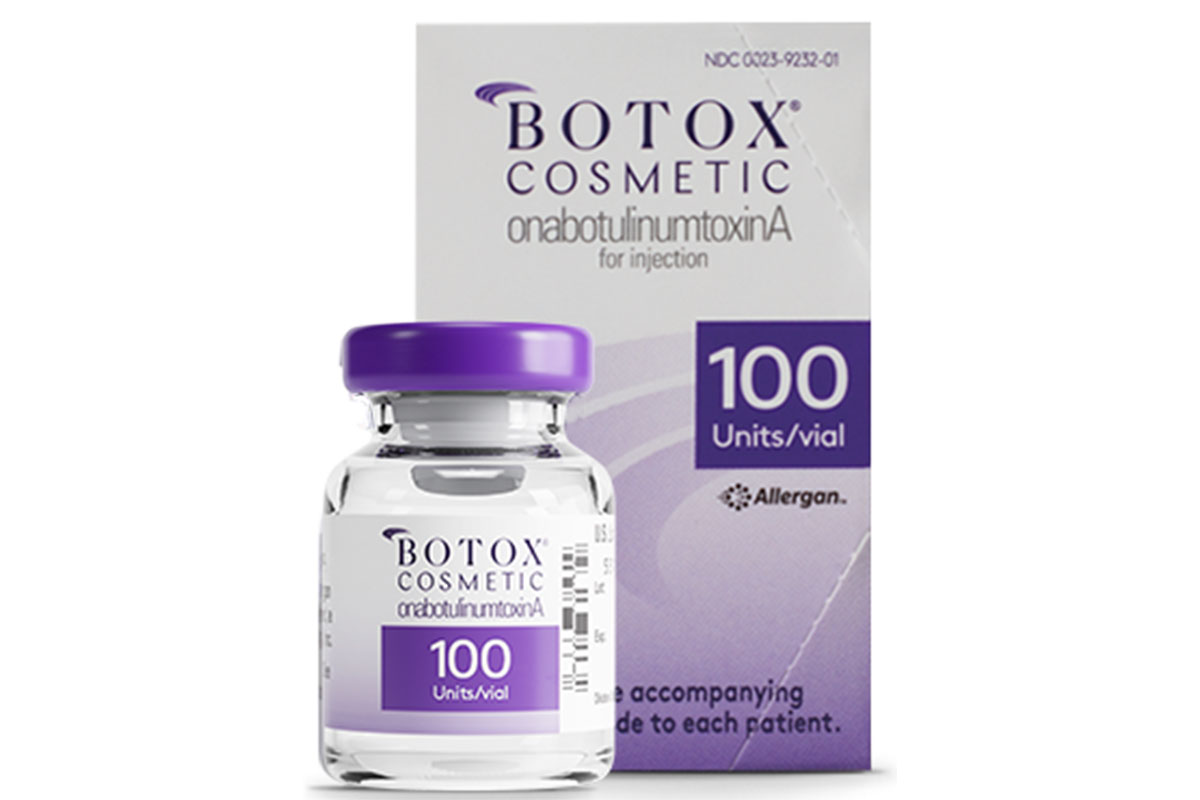
Botox Cosmetic (onabotulinumtoxinA) is the most popular non-invasive cosmetic procedure globally, celebrated for its ability to temporarily reduce the appearance of facial wrinkles and fine lines . But how does this remarkable treatment work, and what can you expect from a session at our beauty aesthetics store?
What is Botox and How Does It Work?
Botox is an FDA-approved injection derived from a purified form of botulinum toxin . While the name might sound intimidating, the neurotoxin used in Botox is meticulously sterilized, diluted, and administered in tiny, targeted doses for safety and efficacy . Its mechanism is both clever and precise: it works by blocking nerve impulses to the specific muscles where it is injected . This temporary paralysis prevents the muscle from contracting, which smooths out the overlying skin and reduces the appearance of dynamic wrinkles—those lines formed by repetitive facial movements like frowning, squinting, and smiling .
Common Treatment Areas for Botox
Botox is incredibly versatile and primarily used to address signs of aging on the upper face. The most common treatment areas include :
- Forehead Lines: The horizontal creases that appear across the forehead.
- Frown Lines (Glabellar Lines): The vertical “11” lines between the eyebrows.
- Crow’s Feet (Lateral Canthal Lines): The fine lines that radiate from the outer corners of the eyes.
- Marionette Lines: The lines that run from the corners of the mouth down to the chin.
- Neck Bands (Platysma Bands): The vertical cords that can become prominent in the neck as we age.
The Botox Procedure: What to Expect
The Botox procedure is a quick, office-based treatment that typically takes about 10 to 15 minutes . At our beauty aesthetics store, your provider will first assess your facial anatomy and discuss your aesthetic goals. The injection sites will be marked, and then a very fine needle is used to inject the appropriate amount of Botox into the targeted muscles . Most patients describe the sensation as a slight pinch or bug bite . Discomfort is minimal, and no anesthesia is required, though a topical numbing cream can be applied if desired .
Recovery and Results
One of the most appealing aspects of Botox is the lack of downtime. Most patients can return to work and resume normal activities immediately after treatment . Mild side effects such as temporary swelling, redness, or bruising at the injection site are common and usually resolve within a few days . Patients are typically advised to remain upright for three to four hours and avoid strenuous physical activity for 24 hours to ensure optimal results .
Results from Botox are not immediate. You may begin to see a noticeable difference in 24 to 48 hours, with the full effects becoming visible in about 30 days . The treatment typically lasts between three to four months, after which the muscle action gradually returns, and you will need repeat injections to maintain the desired effect .
Botox Cosmetic Injections
While Botox addresses wrinkles caused by muscle movement, dermal fillers are gel-like substances injected beneath the skin to smooth wrinkles, restore lost volume, and enhance facial contours . They are a cornerstone of non-surgical facial rejuvenation, and our beauty aesthetics store offers a range of options to meet diverse patient needs.
Types of Dermal Fillers
There are several types of FDA-approved injectable fillers, each with unique properties and longevity .
- Hyaluronic Acid (HA) Fillers: This is the most common type of filler, with brands like Restylane and Juvederm. HA is a naturally occurring sugar in the body that attracts and binds water, providing immediate volume and hydration. Results typically last 6 to 12 months, depending on the specific product and treatment area .
- Calcium Hydroxylapatite (CaHA) Fillers: Radiesse is a notable example of this type. It is a mineral-like compound found naturally in bones. Radiesse provides immediate correction while also stimulating the body’s own collagen production for longer-lasting results. It is excellent for contouring the jawline, restoring cheek volume, and treating deeper wrinkles. Depending on the treatment area, results can last up to a year or more .
- Poly-L-lactic Acid (PLLA) Fillers: Sculptra is a collagen stimulator made from a biodegradable synthetic substance. It works gradually to restore facial volume lost due to aging by stimulating the body’s natural collagen production. Results appear over several months and can last up to two years, but multiple treatment sessions are usually required .
- Permanent Fillers: Bellafill is the only FDA-approved filler in this category. We will explore its unique properties in more detail below.
Bellafill: The Longest-Lasting Dermal Filler
For patients seeking a more permanent solution to wrinkles and acne scars, Bellafill represents a significant advancement in aesthetic medicine. As the longest-lasting FDA-approved dermal filler, Bellafill offers both immediate correction and natural collagen stimulation . It is the first and only FDA-approved dermal filler to safely and effectively treat moderate to severe facial acne scars on the cheeks in patients over 21 and for the correction of nasolabial folds (smile lines) .
How Does Bellafill Work?
Bellafill is unique because it is a non-resorbable filler. Its composition includes microspheres made of polymethylmethacrylate (PMMA), a synthetic biocompatible material, suspended in a smooth bovine collagen gel . The gel provides immediate volume to smooth away wrinkles or scars, while the PMMA microspheres act as a scaffold beneath the skin, stimulating your body’s own natural collagen production over time . This dual mechanism creates a long-lasting, elegant, and refreshed look .
The Science Behind Bellafill
The longevity of Bellafill is what sets it apart. In clinical studies, Bellafill was shown to stimulate both Type I and Type III collagen—the ideal types for natural and long-lasting correction . Its safety profile is also well-documented, with a 12-year Postmarket Surveillance study showing a consistently low adverse event rate comparable to other hyaluronic acid fillers . Patient satisfaction is notably high, with one 5-year clinical study showing an 87% satisfaction rate , and at the one-year mark for acne scar correction, 83% of patients were still satisfied with their results .
However, because Bellafill is permanent, it is generally not recommended as a first-time filler treatment . An allergy skin test is required before the first use due to its bovine collagen component . It is also contraindicated for lip augmentation and injection into the vermilion of the lip .
Brazilian Butt Lift (BBL): Non-Surgical Curves
Beyond the face, our beauty aesthetics store offers innovative solutions for body contouring. The Brazilian Butt Lift (BBL) is a popular cosmetic procedure designed to increase the fullness, roundness, and projection of the buttocks . While the traditional BBL is a surgical procedure involving liposuction and fat transfer, there is a growing demand for a non-surgical alternative that offers a subtle, natural-looking enhancement with minimal downtime . At our store, we provide access to the latest non-surgical options for those wanting to enhance their curves.
What is a Non-Surgical BBL?
A non-surgical Brazilian Butt Lift is a minimally invasive treatment that uses injectable dermal fillers like Sculptra (PLLA) and Radiesse (CaHA) to enhance the shape and volume of the buttocks . Unlike the surgical BBL, which requires general anesthesia, incisions, and weeks of recovery, the non-surgical approach is performed in an outpatient setting with little to no downtime .
How a Non-Surgical BBL Works
The procedure involves strategic injections of biostimulatory fillers into targeted areas of the buttocks . These injectables work by providing immediate volume (like Radiesse) and/or by stimulating the body’s natural collagen production over time (like Sculptra) . Radiesse, for instance, contains calcium hydroxylapatite, which provides an instant volumizing effect and stimulates collagen production for long-term results . Sculptra, on the other hand, gradually enhances volume and skin texture by boosting the skin’s own collagen .
Who is a Good Candidate?
The ideal candidate for a non-surgical BBL is someone who is looking for a moderate enhancement, improved skin quality, and a subtle lift rather than a dramatic size increase . It is perfect for patients with mild to moderate volume loss, those who don’t have enough body fat for a traditional BBL, or anyone looking to avoid the risks and lengthy recovery of surgery .
Results and Recovery
One of the most significant advantages of a non-surgical BBL is the quick recovery. Patients can typically return to their daily activities immediately after the procedure, with only mild swelling, bruising, or tenderness that subsides within a few days . Results appear gradually and naturally, with optimal outcomes often achieved after 2-3 sessions spaced a few months apart . The longevity of results depends on the filler used and individual factors but can last anywhere from 2 to 5 years .
If you are a healthcare specialist who has heard more patients saying, “My Botox wore off faster this time,” you’re not alone. Many experienced injectors are noticing shorter duration of effect, even when using familiar techniques and trusted products.
“I’ve been injecting for over a decade, and the number one question I get now isn’t ‘Will this hurt?’ but ‘Why didn’t it last as long this time?’” — Dr. Rachel Morrison, Cosmetic Dermatologist
Is it the toxin? The patient? The protocol? In reality, Botox longevity is influenced by a combination of biological, technical, and product-related factors. Understanding these variables is essential for healthcare specialists who want to optimize outcomes, manage patient expectations, and maintain trust. Below, we break down five real, evidence-based reasons why Botox may not last as long as it used to, and what practitioners should keep in mind when addressing them.
#1. Increased Metabolic and Neuromuscular Activity
One of the most common (and most underestimated) reasons Botox appears to wear off faster is higher neuromuscular activity.
The Physiology Behind It
Botulinum toxin type A works by blocking acetylcholine release at the neuromuscular junction. However, patients with high baseline muscle strength, frequent facial animation, or fast metabolic rates may regenerate neuromuscular signaling more quickly than others.
Who Is Most Affected?
- Athletes and highly active individuals;
- Patients under chronic stress;
- Younger patients with strong facial musculature.
These patients may metabolize or functionally overcome the effects of Botox sooner, even when dosed appropriately.
“I have a patient who does CrossFit five days a week. Her glabellar lines return at week 10 like clockwork, while her sister with a sedentary job gets consistent results for 14-16 weeks with the same dose.” — Dr. Thomas Wright, Aesthetic Physician
Key Takeaway for Practitioners
Shorter duration does not necessarily indicate treatment failure. In these cases, adjusted dosing strategies, optimized injection points, or shorter treatment intervals may be clinically justified – within safe and approved guidelines.
#2. Suboptimal Dosing and Injection Technique
Even among experienced injectors, small technical variations can have a major impact on treatment longevity.
Why Technique Matters More Than Ever
Botox diffusion, muscle targeting, and dose distribution all influence how long results last. Inadequate dosing, often done to preserve natural movement, may unintentionally reduce duration.
Common technical contributors include:
- Under-dosing strong muscles (e.g., masseter, glabella);
- Injections placed too superficially or too deeply;
- Over-dilution affecting unit precision;
- Inconsistent reconstitution practices.
The Balance Between Longevity and Aesthetics
Modern patients often request softer, more natural results. While this trend has aesthetic merit, it can lead to shorter-lived outcomes if dose reduction is not carefully calibrated.
“We’re walking a tightrope now. Patients want movement, but they also want it to last. Education about this trade-off is now part of every consultation.” — Dr. Linda Nguyen, Board-Certified Injector
Key Takeaway for Practitioners
Longevity should be part of the treatment planning conversation. Clear documentation, standardized dilution protocols, and ongoing technique refinement are critical to consistent results.
#3. Development of Neutralizing Antibodies
Although relatively uncommon, immunogenicity is a real and clinically relevant factor, especially in long-term or high-frequency users.
How Antibodies Affect Botox Efficacy
Repeated exposure to botulinum toxin can, in some patients, trigger the formation of neutralizing antibodies. These antibodies reduce the biological activity of the toxin, leading to:
- Shorter duration of effect;
- Partial response;
- Complete non-response over time.
Risk factors include high cumulative doses, short intervals between treatments, frequent touch-ups, and the use of products with higher protein load. While the signs injectors should watch for are progressive reduction in duration despite adequate dosing, reduced muscle weakening after treatment, and patient history of frequent treatments over many years.
Key Takeaway for Practitioners
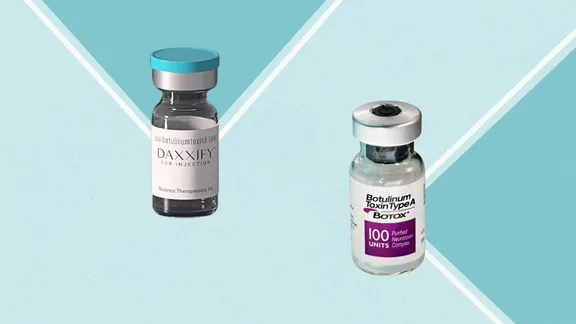
When antibody resistance is suspected, reassessing treatment intervals, avoiding unnecessary boosters, or considering alternative botulinum toxin formulations may help preserve long-term responsiveness.
#4. Changes in Patient Anatomy, Age, and Skin Quality
Botox longevity is not static – it changes as the patient changes.
Aging-Related Alternations in Treatment Dynamics
As patients age, several anatomical and physiological changes occur:
- Muscle mass and tone may decrease or redistribute;
- Skin elasticity diminishes;
- Compensatory muscle recruitment increases.
Ironically, while some older patients may require lower doses, others experience faster functional recovery due to altered muscle coordination.
“I’ve been treating the same patient for eight years. Her frontalis used to respond beautifully to 12 units. Now I need 16 units to achieve the same effect, and it still wears off two weeks earlier than it did in 2020.” — Dr. Kevin Patel, Medical Aesthetics Specialist
Lifestyle Factors That Also Play a Role
Over time, patients may adopt habits that influence results, such as:
- Increased sun exposure;
- Smoking or vaping;
- Weight loss or gain;
- New skincare or aesthetic treatments.
These factors don’t “cancel” Botox, but they can influence how long visible results remain noticeable.
Key Takeaway for Practitioners
Botox treatments should evolve with the patient. Periodic reassessment of facial anatomy, muscle dynamics, and aesthetic goals is essential for maintaining both efficacy and satisfaction.
#5. Product Handling, Storage, and Supply Chain Quality
One of the most overlooked reasons Botox may not last as expected lies before the syringe ever reaches the patient.
The Importance of Proper Handling
Botulinum toxin is a delicate biological product. Its efficacy depends heavily on:
- Correct cold-chain storage;
- Proper reconstitution;
- Timely use after dilution.
Exposure to temperature fluctuations or improper storage conditions can reduce potency, sometimes without obvious visual signs.
The Role of Sourcing
Inconsistent results can also stem from unreliable sourcing, including:
- Products near expiration;
- Improperly transported stock;
- Non-authorized suppliers.
For clinics performing high volumes of injectable treatments, supply chain integrity directly impacts clinical outcomes.
Key Takeaway for Practitioners
Sourcing Botox from reliable, professional suppliers and maintaining strict in-clinic storage protocols is essential to ensure predictable duration and patient trust.
Factors Affecting Botox Duration: Quick Reference
| Factor | How It Affects Duration | What Practitioners Can Do | Expected Impact |
|---|---|---|---|
| Metabolic Activity | Faster neuromuscular recovery in active patients | Adjust dosing or treatment intervals | Moderate to High |
| Injection Technique | Poor placement or under-dosing reduces efficacy | Standardize protocols and refine technique | High |
| Antibody Formation | Immune resistance reduces toxin activity | Extend intervals, consider alternative formulations | Low to Moderate (rare but significant) |
| Anatomical Changes | Aging alters muscle dynamics and skin quality | Regular reassessment of treatment plan | Moderate |
| Product Quality | Improper storage or handling degrades potency | Ensure cold-chain compliance and trusted sourcing | High |
Managing Patient Expectations
Beyond the science, perceived “shorter duration” is often influenced by patient expectations.
Patients today:
- Compare results across social media;
- Expect instant and long-lasting effects;
- Are more aware of subtle facial movement.
“Setting realistic timelines during the initial consultation has become just as important as the injection itself. When patients understand the ‘why’ behind duration variability, they’re far more satisfied with their results.” — Dr. Elena Santos, Cosmetic Medicine Director
Clear communication about expected duration (typically 3-4 months, with variation) helps prevent dissatisfaction, even when the treatment is technically successful.
Conclusion
When Botox doesn’t last as long as expected, the reason is rarely singular. It’s usually a combination of patient biology, injection strategy, treatment history, and product integrity. For healthcare specialists, understanding these variables allows for smarter treatment planning, better patient education, and more consistent outcomes.
Equally important is working with trusted suppliers. Clinics and medical professionals looking to streamline their practice may advantageously buy Botox online on FillerSupplies, ensuring access to professional-grade products handled with care and reliability.
