
Aesthetics Fillers
What Are the Main Signs of Allergic Reaction to Dysport Treatments?
Mar
Dysport injections
In the world of non-surgical aesthetic treatments, few solutions offer the convenience, effectiveness, and natural-looking results of Dysport. As one of the leading injectable neuromodulators, Dysport has become a go-to choice for both men and women looking to smooth away wrinkles and achieve a rejuvenated appearance without the need for surgery or extensive downtime . At our beauty aesthetics store, we are proud to offer Dysport as part of our comprehensive menu of advanced aesthetic services.
What is Dysport Treatment?
Before we dive into the details, let’s answer the fundamental question: what is Dysport treatment? Dysport is an FDA-approved injectable treatment designed to temporarily reduce the appearance of moderate to severe dynamic wrinkles—those caused by repeated facial muscle movements . Like Botox, Dysport belongs to a class of medications called neuromodulators, specifically formulated with abobotulinumtoxinA, a purified form of botulinum toxin type A .
Dysport works by blocking the nerve signals that tell specific facial muscles to contract. When these signals are temporarily interrupted, the targeted muscles relax, and the overlying skin becomes smoother . This softening effect reduces the appearance of wrinkles and fine lines, helping you look more rested, vibrant, and naturally youthful .
While Dysport is best known for its cosmetic applications, it also has approved medical uses, including the treatment of cervical dystonia (severe neck muscle spasms) and spasticity . In the aesthetic world, however, Dysport is celebrated for its ability to deliver quick, noticeable results while preserving natural facial expressions—avoiding the “frozen” look that many people worry about .
How Dysport Treatment Works
Understanding the science behind Dysport helps you appreciate why it is such an effective solution for dynamic wrinkles. When you make facial expressions—such as frowning, squinting, or raising your eyebrows—the underlying muscles contract, causing the skin above them to crease. Over time, these repeated movements can lead to permanent lines and wrinkles.
Dysport injections
Dysport treatment interrupts this process. The active ingredient, abobotulinumtoxinA, binds to nerve endings at the injection site and prevents the release of acetylcholine, the chemical messenger that signals muscle contraction . The result? The treated muscles relax, the skin smooths out, and those worry lines, crow’s feet, and forehead creases become significantly less noticeable .
One of the unique characteristics of Dysport is its diffusion profile. Many providers note that Dysport tends to spread more easily than some other neuromodulators, making it particularly effective for treating larger areas like the forehead . This property allows for a softer, more blended result that still preserves your natural expressiveness .
The Dysport Treatment Experience
What to Expect During Your Appointment
At our beauty aesthetics store, we prioritize your comfort and satisfaction from the moment you walk through the door. The Dysport treatment process is quick, straightforward, and requires minimal preparation.
After a thorough consultation to discuss your aesthetic goals and review your medical history, your provider will assess your facial anatomy and determine the optimal injection sites and dosage for your unique needs . The actual injection process is remarkably fast, typically lasting just 10 to 20 minutes . Using a very fine needle, your provider will administer targeted injections into the specific muscles causing your wrinkles. Most patients describe the sensation as a slight pinch or minor discomfort, and while anesthesia is not required, a topical numbing cream can be applied for extra comfort if desired .
Recovery and Results Timeline
One of the most attractive aspects of Dysport is the minimal downtime. You can return to your normal activities immediately following treatment, though we do recommend avoiding strenuous exercise and lying down for a few hours post-treatment to ensure optimal results .
Results from Dysport are known to appear quickly—often within 24 to 72 hours . Some patients even notice improvement within the first two to four days . The full effect of the treatment typically becomes visible within one week, revealing a smoother, more refreshed appearance that lasts up to five months, depending on individual factors like metabolism and lifestyle .
Clinical studies have shown high satisfaction rates, with 97% of users reporting natural-looking results and 95% satisfaction after just two treatments per year . This consistent, reliable outcome is one reason why Dysport has become a trusted solution for subtle yet significant aesthetic improvement.
Dysport for Wrinkles: The Perfect Solution for Dynamic Lines
When we talk about Dysport for wrinkles, we are specifically referring to its effectiveness on dynamic wrinkles—the lines that form as a result of repeated facial expressions . Unlike static wrinkles, which are visible even at rest, dynamic wrinkles only appear when you move your face. Dysport’s mechanism of action makes it ideally suited for these types of lines.
Primary Treatment Areas
At our beauty aesthetics store, we use Dysport to address a wide range of dynamic wrinkles across the face :
- Glabellar Lines (Frown Lines): The vertical “11” lines that develop between the eyebrows, often making you appear tired, angry, or older than you feel. This is the primary FDA-approved indication for Dysport .
- Forehead Creases: The horizontal lines that form across the forehead from raising your eyebrows.
- Crow’s Feet: The fine lines that radiate from the outer corners of the eyes, caused by squinting and smiling.
- Bunny Lines: The small wrinkles that appear on the bridge of the nose when you scrunch your face.
- Lip Lines (Smoker’s Lines): The vertical lines around the mouth that can be softened with Dysport.
- Chin Dimples: An irregular, “pebbled” texture on the chin that can be smoothed.
- Neck Bands: The vertical cords or lines that can become prominent in the neck area as we age.
Dysport’s versatility makes it an excellent choice for patients looking to address multiple areas of concern in a single treatment session.
A Note on Preservation of Natural Expression
One of the standout features of Dysport is its ability to soften wrinkles while still allowing for natural facial movement. Many patients appreciate that they can still express themselves—smile, frown, raise their eyebrows—without looking “frozen” or artificial . The key to this natural-looking outcome lies in the skill and experience of your provider, who carefully selects the appropriate dosage and injection points to achieve a balanced, harmonious result.
Key Dysport Benefits
Choosing Dysport for your aesthetic rejuvenation comes with a host of advantages. Here are the primary Dysport benefits that have made it a favorite among patients and providers alike:
1. Quick Onset of Results
Dysport is known for its fast-acting formula. While some neuromodulators take a week or more to show noticeable effects, Dysport often delivers visible improvement within just two to three days . This makes it an excellent option for those who want to see results quickly, perhaps for an upcoming event or special occasion .
2. Natural-Looking Outcomes
One of the most significant Dysport benefits is the natural-looking effect it provides. The product’s unique formulation allows for a softer, more diffused spread, resulting in a smoother appearance that does not look overly done or artificial . Patients can feel confident that they will look like a refreshed version of themselves, not someone who has had “work done.”
3. Excellent for Larger Treatment Areas
Dysport’s diffusion properties make it particularly effective for treating larger areas, such as the forehead or the glabella . The ability to cover more surface area with fewer injection points means a more efficient treatment session and a more blended result.
4. Long-Lasting Effects
Dysport’s results can last up to four or five months, which is comparable to or slightly longer than some other neuromodulators on the market . With just two to three treatments a year, many patients are able to maintain their desired look consistently.
5. Convenience and Minimal Downtime
A Dysport treatment session takes only 10 to 20 minutes, making it easy to fit into even the busiest schedule . There is no downtime, so you can return to work, social engagements, and daily activities immediately after your appointment .
6. Cost-Effective Solution
While Dysport may require more units than Botox to achieve the same effect, the cost per unit is typically lower, making it a cost-effective option for many patients . A consultation with your provider can help determine which treatment offers the best value for your specific needs and goals.
7. Alternative for Non-Responders
Some patients find that they do not respond as well to Botox, or they may develop a resistance over time. Dysport offers an effective alternative, as its different formulation and protein profile can produce results in patients who have not had success with other injectables .
8. Ideal for Preventative Care
More and more patients in their late 20s and early 30s are turning to Dysport as a preventative treatment . By relaxing the facial muscles that cause dynamic wrinkles, Dysport can delay the formation of deeper, more permanent lines, helping you maintain a youthful complexion for years to come .
Dysport vs. Botox: Understanding the Difference
Patients often ask us how Dysport compares to Botox. While both are highly effective neuromodulators, there are some key distinctions that may influence your choice.
Ultimately, the best choice depends on your individual goals, facial anatomy, and the specific areas you wish to treat. At our beauty aesthetics store, our experienced providers will help you make an informed decision during your consultation.
Why Choose Our Beauty Aesthetics Store for Your Dysport Treatment?
When it comes to injectable treatments, the skill and expertise of your provider matter just as much as the product itself. At our beauty aesthetics store, we are committed to delivering exceptional care and superior results.
Expertise and Experience
Our team consists of highly trained, certified professionals who bring years of experience and an artistic eye to every procedure. We understand the nuances of facial anatomy and tailor each treatment plan to your unique features and aesthetic goals .
Premium, FDA-Approved Products
We use only authentic, FDA-approved Dysport sourced directly from the manufacturer. This ensures you receive a safe, effective product that delivers the results you expect .
Personalized Care
We treat every patient as an individual. From your initial consultation to your follow-up appointments, we take the time to listen to your concerns, answer your questions, and create a personalized plan that aligns with your vision .
Comfortable and Supportive Environment
We believe in providing a calm, welcoming, and non-judgmental space where you can feel confident in your choices. Patient safety and satisfaction are always our top priorities.
Comprehensive Aesthetic Solutions
Dysport is just one of the many advanced treatments we offer. Whether you are interested in combining it with dermal fillers, skin rejuvenation, or other procedures, we can create a comprehensive plan to address all of your aesthetic concerns.
Conclusion: Experience the Dysport Difference
If you are looking to smooth away the visible signs of aging and achieve a refreshed, youthful appearance without surgery or downtime, Dysport may be the perfect solution for you. With its rapid onset of results, natural-looking outcomes, and long-lasting effects, it is no wonder that Dysport has become a trusted choice for millions of patients worldwide .
Dysport injections
At our beauty aesthetics store, we are dedicated to helping you look and feel your best. Whether you are new to injectables or seeking a reliable alternative to other treatments, our experienced team is here to guide you every step of the way. From understanding what is Dysport treatment to exploring the many Dysport benefits and deciding where to use Dysport for wrinkles, we are your trusted partner in aesthetic excellence.
Ready to refresh your look? Schedule your consultation with us today. Let’s discuss your goals, explore your options, and craft a personalized treatment plan that delivers the natural, beautiful results you deserve.
In the world of cosmetic medicine, treatments like Dysport have become increasingly popular for reducing wrinkles, smoothing fine lines, and providing a refreshed, youthful appearance. While these treatments are generally safe and effective, understanding potential allergic reactions is critical for any healthcare professional administering them. Recognizing early warning signs can ensure patient safety, build trust, and prevent serious complications. In this article, we will explore the main signs of allergic reactions to the treatments involving Dysport in detail.
“Vigilance is the cornerstone of safe aesthetic practice,” emphasizes Dr. Jennifer Martinez, a board-certified dermatologist with over 15 years of experience in cosmetic injectables. “While allergic reactions to Dysport are rare, every practitioner must be able to recognize the early warning signs. The difference between a minor complication and a life-threatening emergency often comes down to those first few minutes of recognition and response.”
Composition of Dysport (AbobotulinumtoxinA)
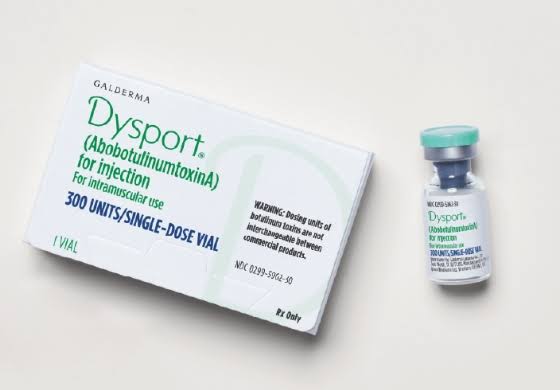
Dysport is a botulinum toxin type A product, similar to Botox, used for both therapeutic and cosmetic purposes. Its primary mechanism involves temporarily blocking nerve signals to muscles, which reduces unwanted contractions and smooths out wrinkles. Dysport is supplied as an intramuscular powder for solution, which is highly effective for taking care of dynamic facial wrinkles and folds (such as forehead lines, frown lines, and crow’s feet), but like all biologically active substances, it carries the potential for immune system reactions in some individuals.
Allergic reactions to botulinum toxins are rare but possible. They can range from mild skin irritations to systemic reactions, and in extremely rare cases, may even pose a life-threatening risk without immediate treatment. Understanding the typical signs helps practitioners respond appropriately and maintain high standards of patient care.
A SIDE NOTE:
Dysport is an injectable powder for injections that might be effectively employed in both aesthetic and medical treatment. Apart from taking care of mild to severe frown lines and other dynamic wrinkles, it is also a powerful injection to take care of cervical dystonia, overactive bladder, muscle contraction, and so on. Also, the spread of toxin effects children treated for spasticity in a very positive way.
Dysport Product Overview
| Characteristic | Details |
|---|---|
| Active Ingredient | AbobotulinumtoxinA (Botulinum Toxin Type A) |
| Formulation | Intramuscular powder for solution (requires reconstitution) |
| Primary Mechanism | Temporarily blocks nerve signals to muscles, reducing contractions |
| Cosmetic Uses | Glabellar lines (frown lines), forehead lines, crow’s feet, dynamic wrinkles |
| Therapeutic Uses | Cervical dystonia, overactive bladder, muscle spasticity, muscle contractions |
| Allergic Reaction Risk | Rare but possible; ranges from mild to severe |
| Safety Profile | Generally safe and effective when properly administered |
Why Allergic Reactions Might Occur as Dysport Interacts with a Patient’s Body
Allergic reactions to Dysport can occur when the immune system mistakenly identifies the injected protein as a harmful substance. Factors that may increase the risk of an allergic response include:
- Previous allergies to botulinum toxins or similar proteins;
- History of atopic conditions, such as eczema, asthma, or hay fever;
- Frequent exposure to botulinum toxins, potentially increasing sensitization;
- Presence of additives or excipients in the Dysport formulation, which may trigger reactions in sensitive individuals.
Dr. Michael Thompson, an allergist and immunologist, explains: “Allergic reactions to botulinum toxins are immunologically fascinating. The immune system can develop antibodies against the protein complex or the excipients in the formulation. While rare, repeated exposures may increase sensitization risk in predisposed individuals, which is why thorough patient screening is so critical.”
It’s important to note that most patients tolerate Dysport well. However, even a single case of an allergic reaction can have significant consequences (such as trouble breathing) if not promptly identified and managed. Thus, it requires immediate medical attention.
A SAFETY NOTE:
In case of experiencing loss of bladder control, eye pain, eye dryness, vision problems, dry mouth, trouble breathing or swallowing, fever, joint swelling, muscle aches, or the general feeling of sickness, a patient should contact their healthcare provider as soon as possible. While some of these symptoms are harmless, other could be life-threatening (like swallowing and breathing difficulties) and, thus, require emergency medical help.
Risk Factors for Dysport Allergic Reactions
| Risk Factor | Why It Increases Risk | Clinical Significance |
|---|---|---|
| Previous Botulinum Toxin Allergy | Prior sensitization to botulinum proteins | High risk; consider alternative treatments |
| Atopic Conditions (Eczema, Asthma, Hay Fever) | Hyperactive immune system; increased IgE antibodies | Moderate risk; requires careful monitoring |
| Multiple Protein Allergies | Cross-reactivity potential with botulinum proteins | Moderate risk; detailed allergy history essential |
| Frequent Botulinum Toxin Use | Cumulative exposure may increase antibody formation | Low to moderate risk; monitor over time |
| Excipient Sensitivity | Reaction to additives/preservatives in formulation | Variable risk; review formulation components |
| Family History of Severe Allergies | Genetic predisposition to allergic responses | Low to moderate risk; document thoroughly |
Common Signs of Local Allergic Reactions
Local allergic reactions occur at or near the injection site and oftentimes correspond with standard botulinum toxin effects. They are generally mild but can cause discomfort and concern for patients. Apart from injection site pain, healthcare providers should look for the following signs:
1. Redness and Swelling
Mild erythema (redness) and swelling are common immediately after injections, but prolonged or excessive reactions may indicate an allergy rather than a standard post-injection response. Persistent redness beyond 24-48 hours warrants attention.
2. Itching and Rash
Pruritus (itching) or the appearance of a localized rash can signal an immune response. While mild irritation may resolve on its own, escalating rashes or hives near the treated area should be evaluated immediately.
3. Pain or Tenderness
Some discomfort is expected with injections, but heightened pain or tenderness that increases over time rather than diminishes may indicate an abnormal reaction.
4. Nodule Formation
Rarely, small nodules or lumps may develop under the skin if the body reacts to the injected substance. Though these are usually benign, they can cause patient concern and require monitoring.
“The key to differentiating normal post-injection responses from allergic reactions is the trajectory,” notes Dr. Sarah Chen, a cosmetic dermatology specialist. “Normal reactions peak within 24-48 hours and gradually improve. Allergic reactions either appear immediately or worsen progressively over hours to days. Any escalating symptoms—increasing redness, spreading rash, intensifying pain—should trigger your allergic reaction protocol.”
Local Allergic Reaction Signs
| Sign | Normal Response | Allergic Reaction | Action Required |
|---|---|---|---|
| Redness | Mild, resolves within 24-48 hours | Intense, persistent beyond 48 hours, spreading | Monitor closely; consider antihistamines; document |
| Swelling | Minimal to mild, peaks at 24 hours | Significant, worsening, extending beyond injection site | Apply cold compress; consider oral antihistamines |
| Itching | Rare or very mild, brief | Persistent, intense, worsening pruritus | Topical/oral antihistamines; avoid scratching |
| Rash | Not expected with normal response | Localized hives, papules, or urticarial lesions | Antihistamine treatment; monitor for progression |
| Pain | Mild, decreasing after 24 hours | Increasing pain, throbbing, severe tenderness | Assess for infection vs. allergy; may need evaluation |
| Nodules | Not typical of normal response | Palpable lumps, granulomas under skin | Monitor; may require corticosteroid injection or removal |
Signs of Systemic Allergic Reactions
Systemic reactions are less common but potentially more serious. They occur when the immune system mounts a response that affects the whole body. Key indicators include:
1. Generalized Hives or Rash
Unlike local reactions, systemic hives appear on multiple parts of the body and may be accompanied by itching, swelling, or a burning sensation.
2. Swelling of Face, Lips, or Throat
Angioedema, or deep tissue swelling, can affect the face, lips, tongue, or throat. This is a medical emergency, as swelling in the airway can compromise breathing.
3. Difficulty Breathing or Swallowing
Respiratory symptoms indicate a severe allergic reaction (anaphylaxis). Rapid intervention is critical, and epinephrine should be administered immediately if indicated.
4. Dizziness or Fainting
Sudden lightheadedness, palpitations, or loss of consciousness may accompany systemic allergic reactions and indicate a drop in blood pressure due to anaphylaxis.
“Anaphylaxis is a race against time,” warns Dr. Robert Williams, an emergency medicine physician. “The moment you see signs of angioedema, respiratory distress, or cardiovascular compromise, you must act immediately. Epinephrine is the first-line treatment—administer it first, ask questions later. Don’t wait for symptoms to progress. In anaphylaxis, minutes matter.”
A SAFETY NOTE:
In case of having any serious allergic reactions including trouble with swallowing, talking, or breathing, call your doctor as soon as possible, no matter whether Dysport was injected for aesthetic purposes (like the treatment of glabellar lines) or medical purposes (like the improvement of poor bladder control or trouble muscle reactions).
Systemic Allergic Reaction Signs
| Sign | Description | Severity | Immediate Action |
|---|---|---|---|
| Generalized Hives/Urticaria | Widespread raised, itchy welts on multiple body areas | Moderate to Severe | Administer antihistamines; prepare epinephrine; monitor closely |
| Angioedema | Deep tissue swelling of face, lips, tongue, throat | SEVERE – EMERGENCY | Administer epinephrine immediately; call 911; secure airway |
| Respiratory Distress | Wheezing, shortness of breath, chest tightness, stridor | SEVERE – EMERGENCY | Epinephrine IM; oxygen; call 911; bronchodilators if available |
| Difficulty Swallowing | Sensation of throat closing, inability to swallow normally | SEVERE – EMERGENCY | Epinephrine immediately; position upright; emergency transport |
| Hypotension/Shock | Rapid pulse, weak pulse, dizziness, loss of consciousness | SEVERE – EMERGENCY | Epinephrine; lay flat with legs elevated; IV fluids; call 911 |
| Gastrointestinal Symptoms | Severe nausea, vomiting, abdominal cramping, diarrhea | Moderate (may indicate systemic reaction) | Antihistamines; monitor for progression; consider epinephrine |
Differentiating Allergic Reactions from Normal Side Effects of Dysport
Because mild redness, swelling, and bruising are common after Dysport injections, it is essential for practitioners to distinguish normal post-treatment effects from true allergic responses. Here are some tips:
- Timing: Allergic reactions often appear within minutes to hours after injection, whereas normal swelling typically peaks within 24 hours (however, some symptoms might be reported hours to weeks after the treatment);
- Severity: Persistent or worsening symptoms after injecting botulinum toxin products may signal an allergy;
- Systemic symptoms: The presence of widespread rash, respiratory difficulty, or cardiovascular signs immediately raises concern for a systemic reaction;
- Patient history: A prior history of allergies or atopic conditions may increase the likelihood that unusual symptoms are immunologic in origin.
Dr. Amanda Foster, a plastic surgeon specializing in injectables, advises: “Documentation is your best friend when differentiating reactions. Take photos immediately after injection to establish a baseline. If symptoms appear later, compare them to your baseline photos. This helps you objectively assess whether the reaction is progressing or resolving, which is critical for determining appropriate intervention.”
Normal Side Effects vs. Allergic Reactions
| Criterion | Normal Side Effect | Allergic Reaction |
|---|---|---|
| Onset Timing | Immediate to 24 hours; peaks early then improves | Minutes to hours (immediate); or delayed hours to weeks (delayed hypersensitivity) |
| Severity Trajectory | Mild to moderate; gradually decreasing over 24-72 hours | Moderate to severe; stable or worsening over time |
| Distribution | Localized to injection sites only | May start localized but can spread; systemic reactions affect distant areas |
| Associated Symptoms | Mild discomfort, minimal itching, temporary bruising | Intense itching, hives, breathing difficulty, dizziness, nausea |
| Response to Treatment | Resolves spontaneously without intervention | May require antihistamines, corticosteroids, or epinephrine |
| Patient History | Occurs regardless of allergy history | More common in patients with atopic conditions or previous sensitivities |
| Recurrence Risk | Expected with each treatment | Likely to recur or worsen with repeated exposure |
Risk Mitigation Strategies for Practitioners Working with Dysport and Other Drugs Based on Botulinum Toxin
Healthcare professionals can minimize the risk of allergic reactions to Dysport with careful screening and best practices:
1. Pre-Treatment Assessment
- Medical history: Identify previous reactions to botulinum toxins or other injectables;
- Allergy history: Screen for known allergies to proteins, preservatives, or excipients;
- Medication review: Some medications may affect immune response or increase susceptibility to complications.
2. Test Dosing
For high-risk patients, a small test injection may be administered to observe for any adverse reaction before proceeding with a full treatment.
3. Patient Education
Inform patients about potential signs of allergic reactions, including what is considered normal versus abnormal post-injection symptoms. Encourage them to report any unexpected changes promptly.
4. Emergency Preparedness
Maintain immediate access to emergency medications and equipment, including epinephrine, antihistamines, and resuscitation supplies. Staff should be trained to recognize and respond to anaphylaxis quickly.
Risk Mitigation Protocol
| Strategy | Implementation | Purpose |
|---|---|---|
| Comprehensive Patient Screening | Detailed allergy questionnaire; review medical/medication history | Identify high-risk patients before treatment |
| Informed Consent | Discuss allergic reaction risks; document patient acknowledgment | Ensure patient awareness; legal protection |
| Test Dosing (High-Risk Patients) | Small test injection; observe 15-30 minutes | Detect sensitivity before full treatment |
| Baseline Documentation | Photos; document pre-existing conditions; note injection sites | Establish baseline for comparison if reactions occur |
| Post-Injection Monitoring | Observe patient 15-30 minutes after treatment | Catch immediate reactions while patient still in office |
| Emergency Equipment Readiness | Epinephrine auto-injectors; antihistamines; oxygen; AED; crash cart | Enable immediate response to anaphylaxis |
| Staff Training | Annual emergency response drills; anaphylaxis protocol review | Ensure all staff can recognize and respond to emergencies |
| Lot Number Tracking | Record product lot numbers in patient files | Enable tracing if adverse event patterns emerge |
Tips for Monitoring and Follow-Up
Even after a seemingly uncomplicated injection, follow-up is essential:
- Schedule post-treatment check-ins to evaluate patient response;
- Document any unusual reactions for future reference and reporting;
- Advise patients on at-home care, including signs that require urgent medical attention;
- Keep a clear record of Dysport lot numbers to aid in tracing any rare adverse events.
Post-Treatment Monitoring Timeline
| Timeframe | Monitoring Focus | Patient Instructions |
|---|---|---|
| Immediate (0-30 min) | Observe in office for immediate reactions; check vital signs | Remain in office; report any unusual sensations immediately |
| First 24 Hours | Monitor for local swelling, redness, pain progression | Apply ice if needed; avoid touching area; call if symptoms worsen |
| 24-72 Hours | Ensure symptoms are improving, not progressing | Watch for spreading rash, increasing swelling, or new symptoms |
| 3-7 Days | Check for delayed hypersensitivity reactions | Contact office if new symptoms develop; normal effects should be resolving |
| 1-2 Weeks | Follow-up appointment to assess treatment results and any delayed reactions | Report any persistent concerns; document satisfaction and any complications |
Key Takeaways
Allergic reactions to Dysport treatments are rare but can range from mild irritation to life-threatening events. Recognizing the main signs early is critical:
- Local reactions: redness, swelling, itching, rash, nodules;
- Systemic reactions: hives, angioedema, breathing difficulties, dizziness;
- Differentiation: timing, severity, systemic involvement, and patient history.
By combining careful patient assessment, thorough education, and emergency preparedness, practitioners can confidently minimize risks and provide safe, effective treatments.
Emergency Response Quick Reference
| Symptom | Classification | Immediate Action |
|---|---|---|
| Mild local redness/swelling | Normal reaction | Ice, observation, reassurance |
| Intense itching, localized hives | Mild allergic reaction | Antihistamine (oral), close monitoring, document |
| Widespread hives, facial swelling | Moderate to severe allergic reaction | Antihistamine + corticosteroid, prepare epinephrine, monitor vitals |
| Throat swelling, breathing difficulty, hypotension | ANAPHYLAXIS – EMERGENCY | Epinephrine IM immediately, call 911, oxygen, lay flat, second dose if no improvement in 5-10 min |
Conclusion
As a certified healthcare provider, understanding and identifying allergic reactions to Dysport is essential for patient safety and the success of cosmetic procedures. While adverse reactions are uncommon, vigilance and preparedness ensure that every patient receives the highest standard of care.
For practitioners looking to supply Dysport and other botulinum toxin products safely and efficiently, FillerSupplies offers a reliable source to order high-quality products. So, how about buying this high-quality botulinum toxin injection intramuscular powder right away?
